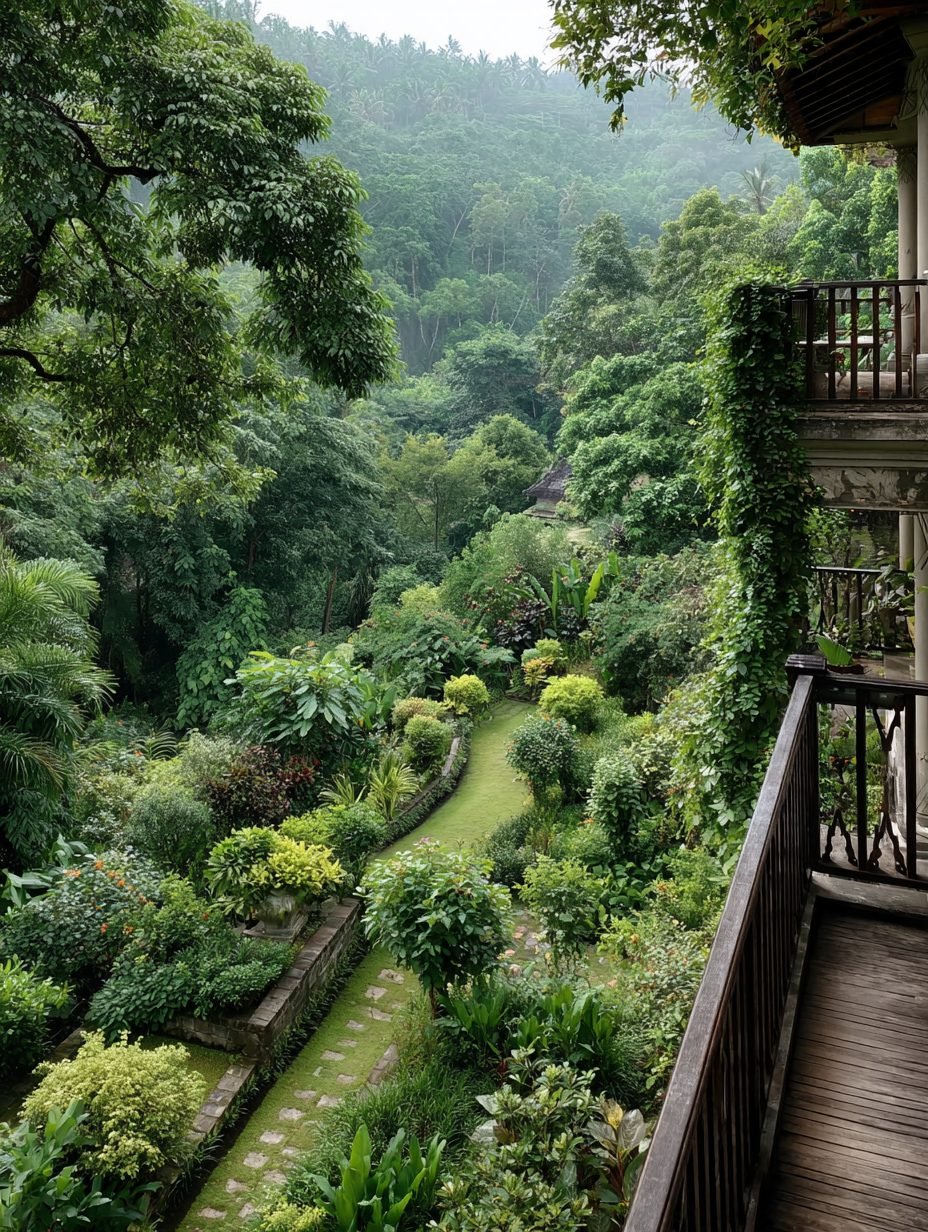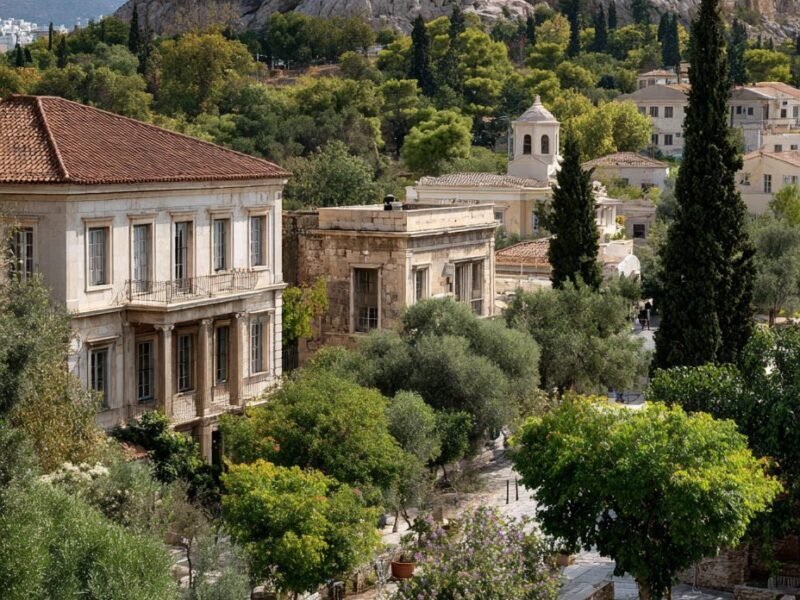

Somewhere along the way, travel became an endurance sport. The seven-day itinerary with forty stops, the spreadsheet of sights ranked by urgency, the return home needing a vacation from the vacation. We have confused coverage with experience: as if the traveler who saw the most wins something. Here is a counter-proposal: three good days, with a point of view, will teach you more about a place than a week of efficient sightseeing ever could.
The Tyranny of the Packed Itinerary
The maximalist itinerary has a seductive logic. Flights are expensive, time off is scarce, so the reasoning goes: pack it in. But attention is not a resource that scales. The fifth museum in three days does not add understanding; it subtracts it. Psychologists have a name for the underlying pattern: experiences blur when they are stacked without time to settle, but you do not need the research. You have lived it: the trip you remember in detail is never the one where you saw everything.
What the packed itinerary really optimizes is anxiety. The fear of missing out, outsourced to a checklist. And checklists have a cost beyond fatigue: they keep you on the surface. You can photograph twenty landmarks in a week and still leave without knowing how a single neighborhood actually works: where people eat on a Tuesday, what the evening sounds like, which corner the city is proudest of.
Depth Beats Breadth: The Math of Memory
Memory favors the distinctive over the numerous. Ask yourself what you remember from your last three trips and the answer will be scenes, not tallies: the long lunch that stretched into evening, the walk that accidentally became the best part of the day, the performance you almost skipped. A shorter trip concentrates these moments because it has to. Constraints force choices, and choices create a point of view.
This is the real argument for the long weekend. Not convenience, not budget (though both are real) but density of meaning. Three days cannot hold everything, so they force the question the seven-day trip never asks: what is this trip about?
The 3-Day Spine: A Framework for Anywhere
A good short trip needs a spine: a simple structure that gives each day a job. Here is one that works in almost any city:
Day One: Arrive and anchor. Pick one neighborhood and learn it on foot. No museums, no monuments, no agenda beyond orientation. Find the coffee place, the bakery, the park bench with the view. Walk until the map in your head starts forming. The goal of day one is belonging, however temporary: to stop being a visitor and start being a temporary local.
Day Two: Go deep on one thing. One museum, taken slowly. One historic quarter, with a guide or a good audio walk. One craft, one cuisine, one story, followed to its end. This is the day the trip earns its keep: a single subject, pursued until you can explain it to someone back home. End it with one long meal, the kind where courses arrive unhurried and the table becomes the evening’s entertainment.
Day Three: Walk, witness, return. A morning walk with no destination: the flâneur’s privilege. Then one performance: a concert, a play, a match, whatever the city does best after dark. Live performance is the fastest way to feel a place’s pulse, because you are sharing an experience with the people who live there, not observing them. Leave with one story you will tell for years, which is more than most week-long trips produce.
The Rules That Make It Work
A framework is only as good as its discipline. Four rules keep the long weekend honest.
First, one neighborhood per trip. Stay in it, eat in it, walk it repeatedly. Familiarity is the precondition of noticing.
Second, schedule unscheduled time. The best travel moments are unplannable: the street festival you stumble into, the shopkeeper who talks for an hour. An itinerary with no slack has no room for luck.
Third, eat where the day takes you, but make one meal the event. Research a single restaurant worth the pilgrimage and build an evening around it. Food is culture at its most direct; treat it accordingly.
Fourth, bring back one thing that is not a souvenir. A phrase in the local language you actually learned. The name of an artist you discovered. A recipe, a ritual, a way of doing something you want to adopt. The trip is only finished when it changes something about how you live.
Travel as a Practice, Not a Prize
The long weekend, done this way, stops being a compromise and becomes a discipline: a way of traveling that respects both the place and your own attention. It asks less of your calendar and more of your curiosity. And it scales: the traveler who can wring meaning from three days in one city can do it anywhere, which means more places, more often, each one actually remembered.
Seven unfocused days give you photographs. Three deliberate ones give you a story, a skill, and a changed habit. The camera roll will survive either way. The question is what survives in you.