
We tend to treat discipline as a character trait. Some people have it, some do not, and the rest of us are supposed to admire the disciplined from a distance while negotiating with ourselves every morning. This framing is wrong in a useful way. Discipline is less about who you are and more about what surrounds you. The same person is disciplined in one environment and scattered in another, because environments vote on your behavior long before willpower gets a say.
Willpower is real, but it is a battery, not an engine. It drains with every decision, every temptation resisted, every notification answered. By evening it is running on fumes. The people who seem effortlessly disciplined are rarely running on superior willpower. They have just arranged their lives so that the right choice is the easy choice, and they did the arranging once instead of negotiating daily.
Your willpower is a battery. Stop spending it on trivia
Every decision costs something, including the small ones: what to wear, what to eat, when to start, whether to check the phone first. A morning full of micro-decisions leaves less energy for the decisions that actually matter. This is why routines look boring from the outside and feel like freedom from the inside. They move the trivia off the battery.
Audit where your willpower goes before noon. The fix is usually embarrassingly simple: lay out the workout clothes, decide breakfast the night before, put the phone in another room while you work. None of this requires discipline, just ten minutes of planning, once. You are becoming a person with fewer things to be disciplined about.
Design your defaults, not your intentions
Intentions are wishes. Defaults are architecture. The person who intends to read more but keeps the phone by the bed will lose to the phone every time. The person who puts the book on the pillow and the charger in the kitchen does not need intention. The default does the work.
This applies everywhere. Want to eat better? Make the healthy food visible and the rest inconvenient. Want to save? Automate the transfer. Want to write? Open the document before anything else. Every default you design is a future argument with yourself that you win in advance. Set them once, and let them quietly run your life in the right direction.
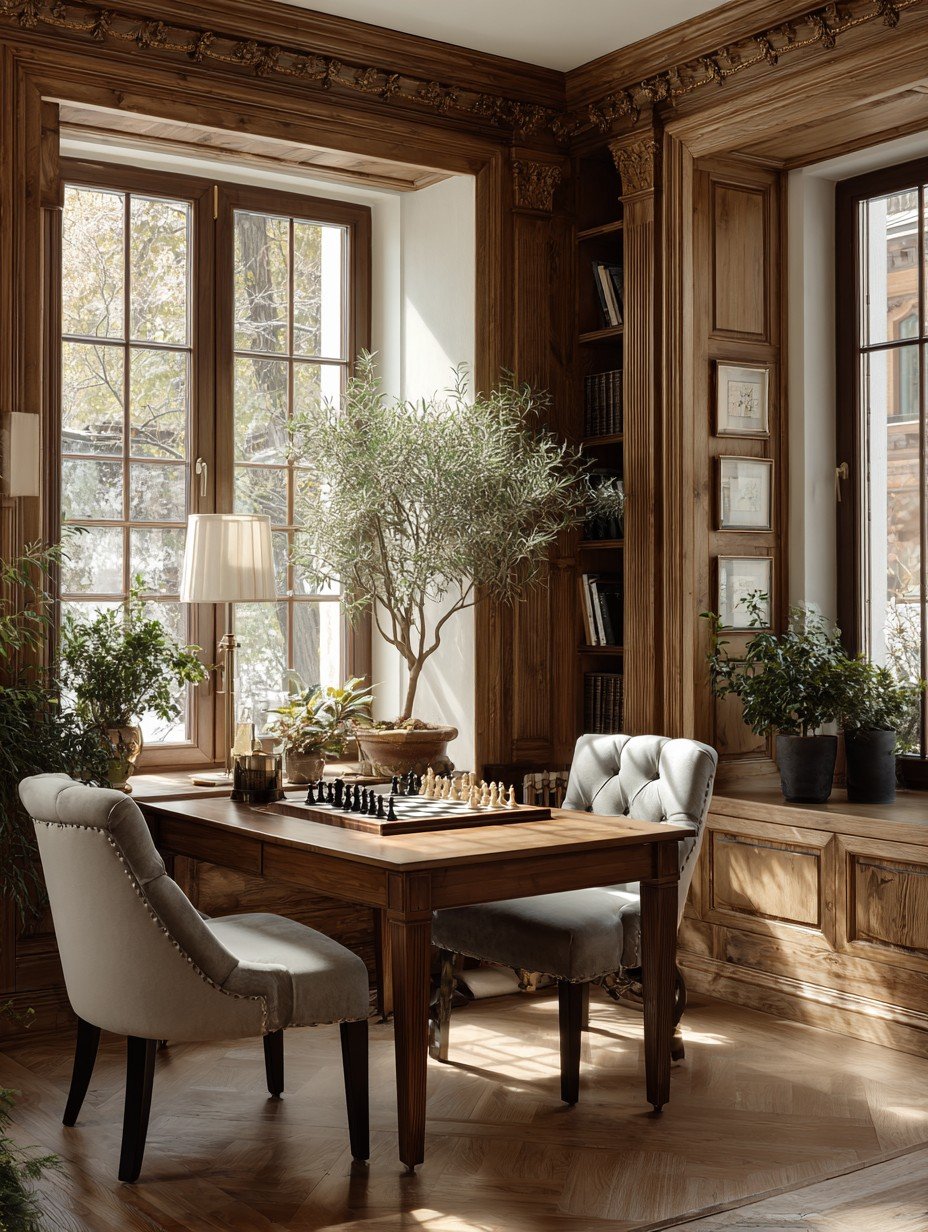
Rooms have votes. Arrange yours deliberately
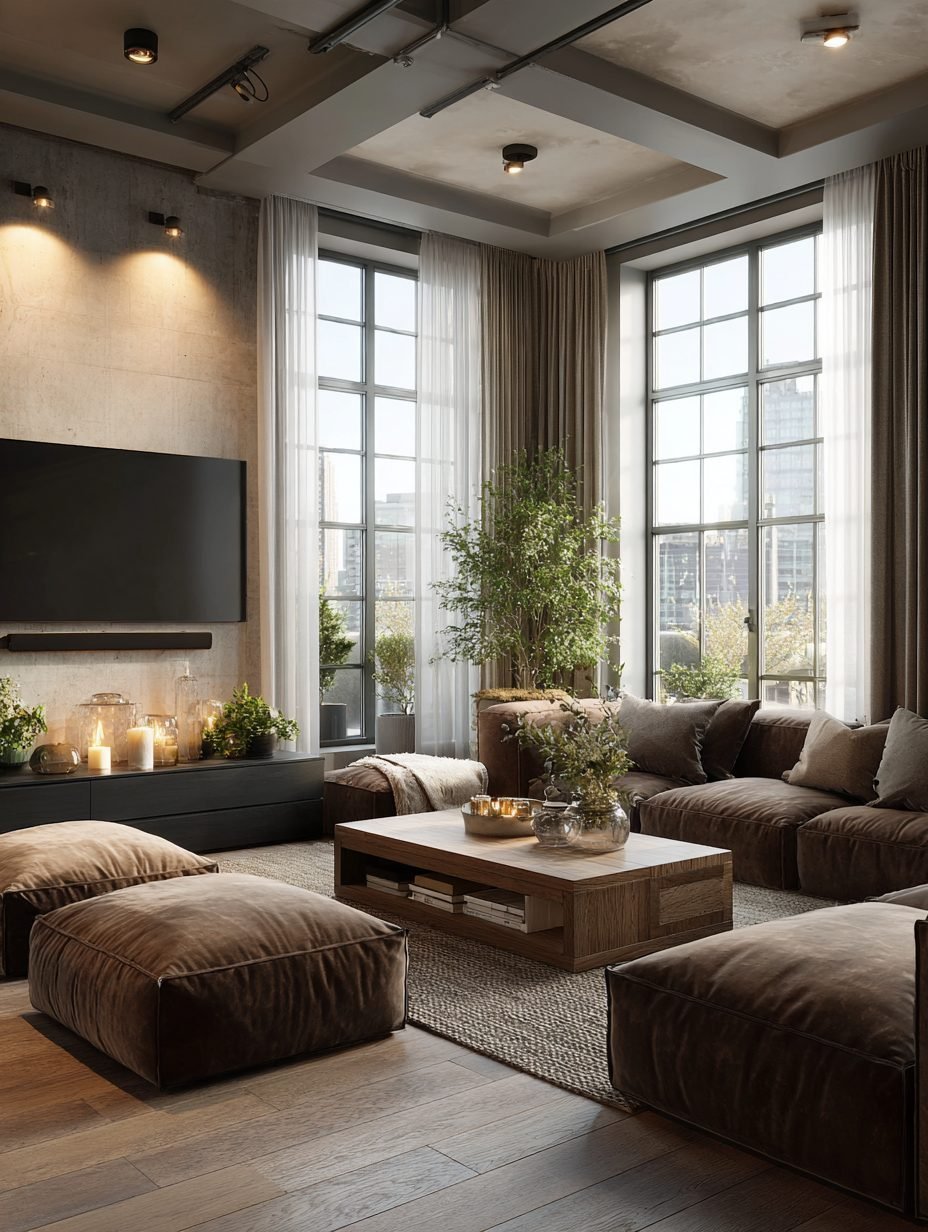
Your spaces are constantly suggesting behaviors. The couch suggests scrolling. The running shoes by the door suggest a walk. None of this is subtle once you start noticing it, and all of this is working on you whether you arranged it or not.
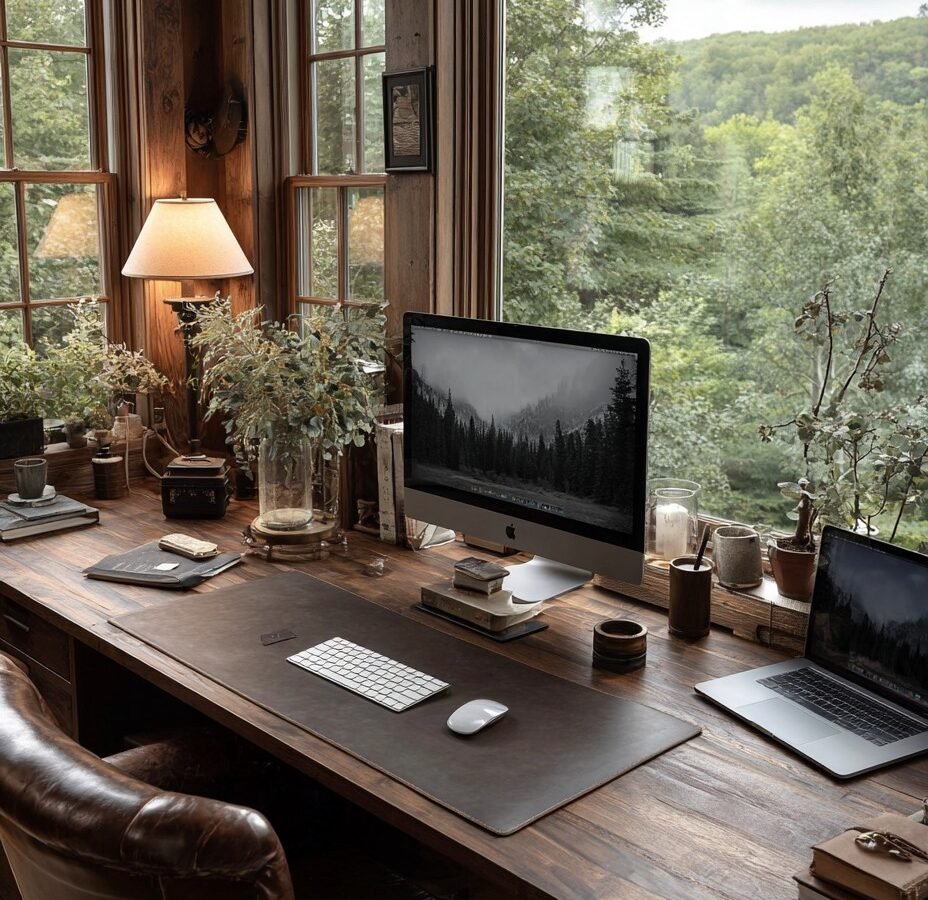
So arrange it. Create one space that is only for focused work, even if it is just a corner of a room, and protect what happens there. Make the cues for your best habits visible and the cues for your worst habits invisible: the guitar on its stand, the snacks out of sight, the desk clear before bed. You do not need a perfect home. You need a home that argues for the person you are trying to be.
Make the good choice the easy choice
This is the master principle underneath everything else, and it has a name in behavioral science: reduce friction. Every habit you want lives or dies on how much effort it takes to start. Lay out the gym bag and the workout happens more often. Delete the app and the scrolling drops.
The inverse works just as well. Want to break a habit? Add friction. Log out of the accounts. Make the bad choice take five steps instead of one, and watch how often you suddenly do not want it that badly. You are not fighting yourself anymore. You are just a person responding to how easy things are, which is what you were all along.
Let social expectations do some of the lifting
Environment is not just physical. The people around you are an environment too, and their expectations shape your behavior more than most of us admit. Tell a friend you will meet them at the gym and skipping becomes a social event you have to cancel. Join a group that reads and suddenly you are a reader. We rise, or sink, to the standards of the rooms we spend time in.
Use this deliberately. Announce the goal to someone whose opinion matters to you. Find the community already doing the thing, even a small one. Make your commitments visible enough that keeping them is easier than explaining why you did not. Borrow structure from other people while you build your own.
Audit your environment, not your character
The next time you fail at something, try a different post-mortem. Instead of asking what is wrong with you, ask what was wrong with the setup. Was the temptation visible? Was the good choice inconvenient? Did the day start with a hundred micro-decisions? The answer is almost always environmental, which is the best possible news, because environments can be redesigned and character is slow to change.
Do this audit once a month. Walk through your home, your phone, your calendar, and your circle, and ask of each: is this making my life easier or harder? Change one thing, then another. Build an environment that stops fighting you, and progress starts to feel less like a battle and more like a downhill walk. That is not cheating. That is design.