Why Modern Men Are Into Gardening
Between the family photos and the football, David Beckham is gardening. Why modern men are picking up trowels, and how to start.
Scroll David Beckham's feed lately and you'll notice something: between the family photos and the football, the man is gardening. Properly gardening: sleeves up, hands in the soil, visibly pleased with himself over the state of his vegetables.
He's not alone, and he's not early. Gwyneth Paltrow and Martha Stewart built the modern lifestyle-garden wave years ago: they made growing things aspirational again. But what's happening now is different: it's men. Modern men, specifically, picking up trowels in growing numbers. And the reason isn't aesthetics. It's health.
The health-conscious generation found the garden
The modern man reads labels. He knows what organic means and why it costs more. He tracks his protein, his sleep, his steps, and at some point, a man like that looks at a tomato shipped 2,000 miles and picked green, and does the math. The freshest, cleanest food you can eat is the food you grew yourself, from soil you chose, with nothing on it you didn't choose yourself.
That's the first shift: gardening as nutrition strategy. When you grow it, you control everything: the soil, the water, the harvest moment. A tomato picked ripe off your own vine isn't the same food as the one from the supply chain. Every man who's tasted both knows it.
But the bigger shift is quieter, and it's the one that keeps men in the garden long after the novelty wears off: mental health.
The mental health nobody talks about
There's a particular kind of calm that comes from working with living things. You can't rush a seed. You can't negotiate with a season. The garden runs on its own clock, and spending time inside that clock does something to a man who's spent all week inside deadlines and notifications.
Psychologists have a name for the mechanism: attention restoration, the way natural environments let a depleted mind recover, but you don't need the term to feel it. An hour with your hands in soil, no phone, something alive depending on you: that's not a hobby. That's maintenance. Men are starting to understand that the garden isn't where you go when the work is done. For your head, the garden is the work.
How to start (the honest version)
If you've never grown anything, here's the good news: you don't need a farm, a greenhouse, or any real knowledge. You need sun, soil, water, and the willingness to start embarrassingly small.
Start with sun. Watch your yard or balcony for a day. Most vegetables and fruit need six-plus hours of direct sun. That's the single decision that matters most. Everything else is fixable.
Start with soil, not seeds. If you're planting in the ground, dig in compost. If you're in containers, buy good potting mix, not the cheapest bag. Beginners blame themselves when plants fail; nine times out of ten, it was the soil.
Start small enough to succeed. One raised bed or five containers will teach you more (and frustrate you less) than an ambitious plot you can't keep watered in August. You can always expand. You can't un-kill a neglected garden.
Water deeply, less often. Daily sprinkles train shallow roots. A deep soak a few times a week trains roots to go down and find water themselves. The garden, like everything else, responds to consistency over intensity.
What to plant: new gardener vs. full-on garden
If you're new: grow things that forgive you. Herbs are the perfect first crop: basil, mint (in a pot, always in a pot, or it will take over), rosemary, thyme. They want sun and occasional water, they forgive missed weekends, and they'll change your cooking immediately. After herbs, the easy wins: tomatoes, lettuce, zucchini, peppers. Fast feedback, hard to ruin, and the taste difference from store-bought will hook you permanently.
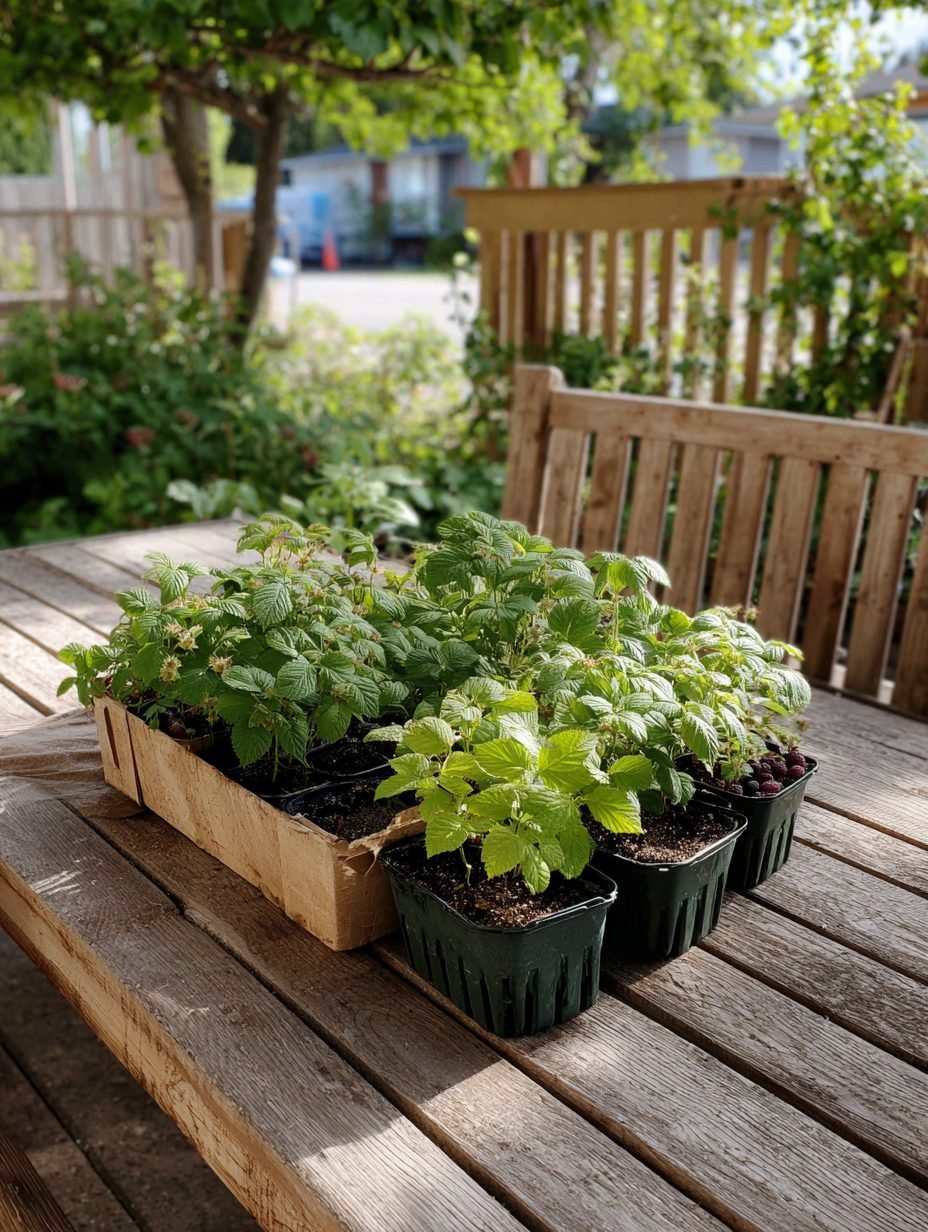
Berries are the bridge between beginner and serious: blueberries, raspberries, strawberries. Plant them once and they come back year after year. (Blueberries want acidic soil: a bag of acid-loving potting mix solves it.) Few things beat walking outside and eating breakfast off the bush.
If you have a full-on garden: this is where fruit trees earn their place. A fruit tree is a decade-long decision that pays you back every single year, and there's something deeply satisfying about planting something your future self will harvest.
- Peaches: the classic backyard tree. Fast to fruit (often year two or three), generous, and a tree-ripened peach is one of the great arguments for gardening. Check chill hours for your area: peaches need a certain number of cold winter hours to set fruit, so match the variety to your climate.
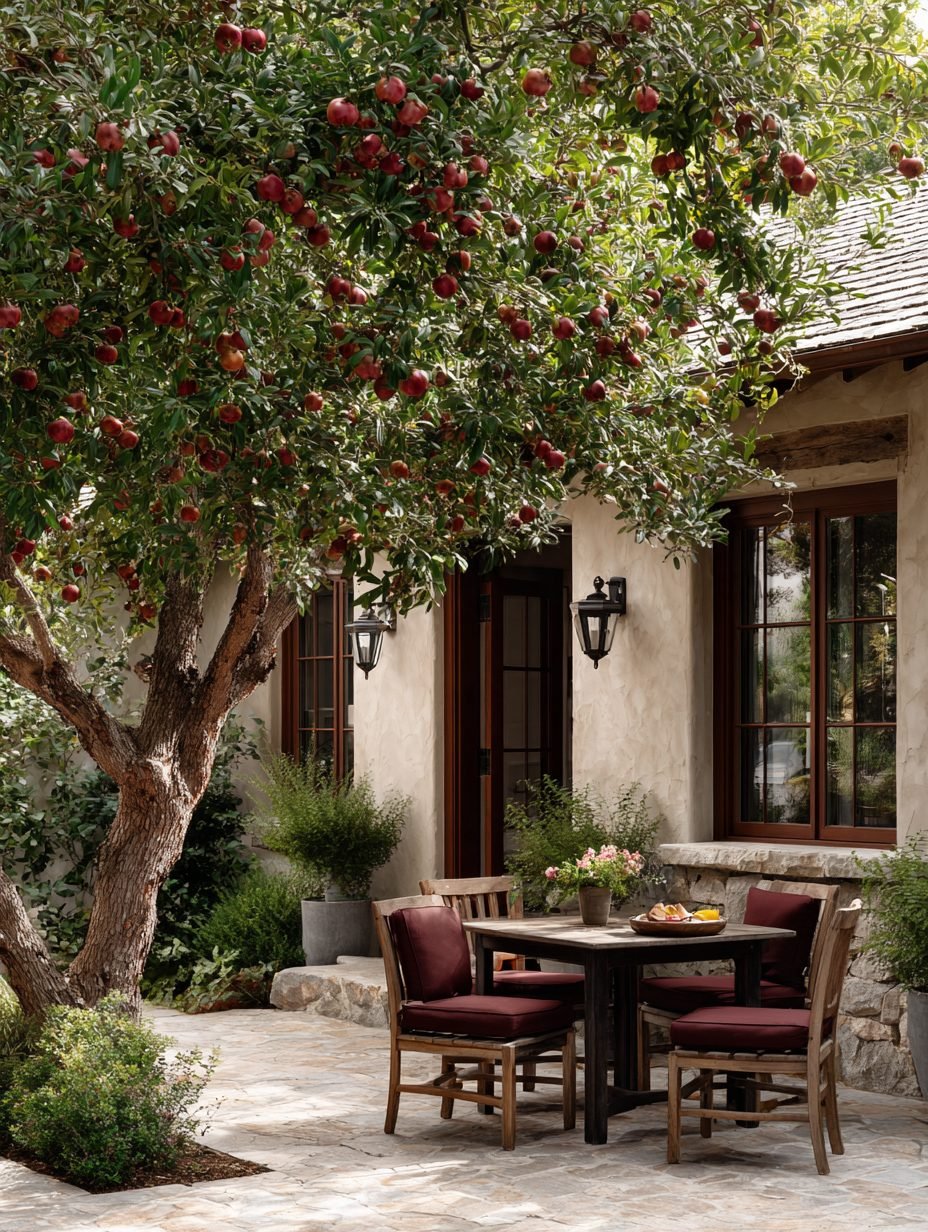
- Pomegranates: drought-tolerant, heat-loving, nearly indestructible once established, and the fruit is as beautiful as it is useful. If you're in a warm climate, this is the lowest-effort, highest-reward tree you can plant.
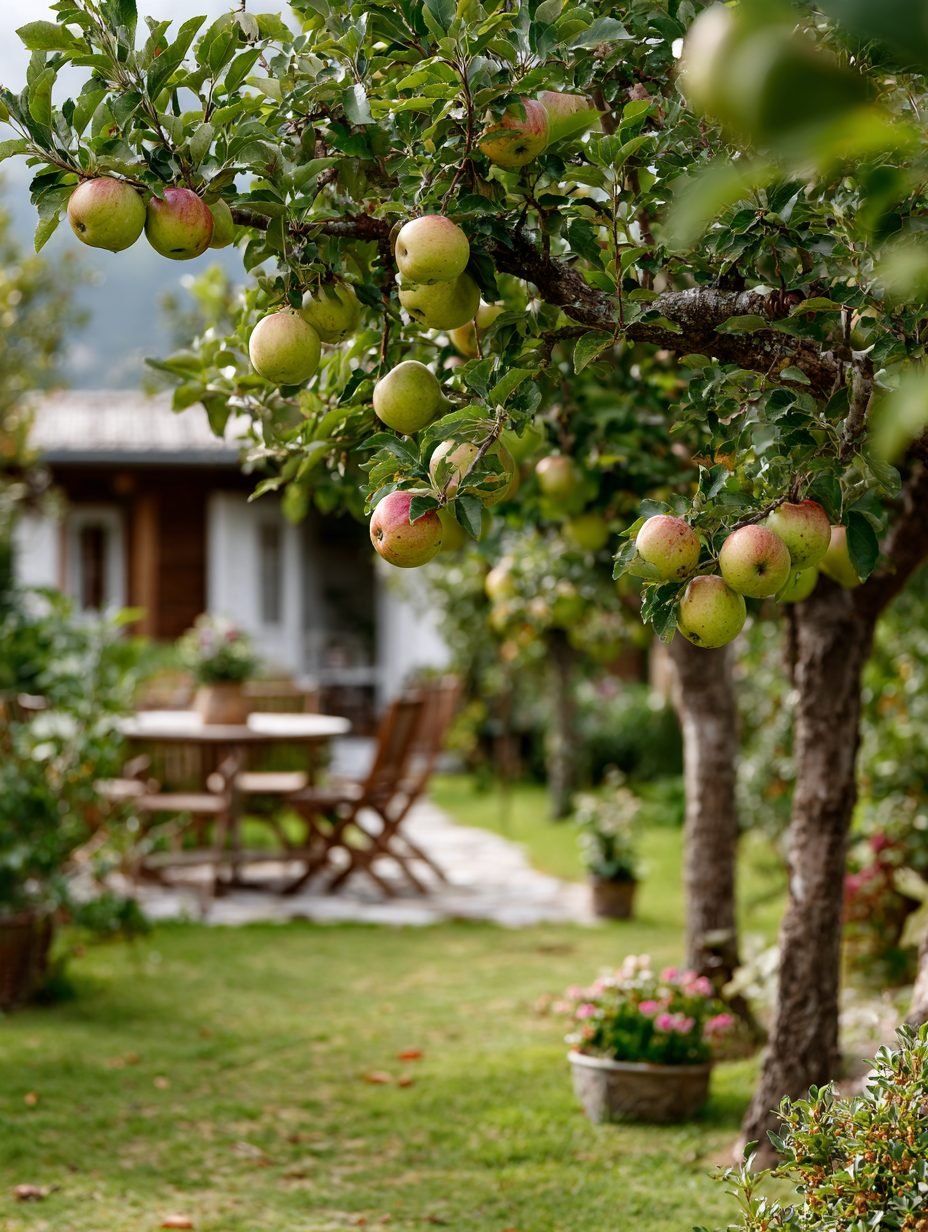
- Figs, apples, pears, citrus (in warm zones): all proven backyard producers. The rule is always the same: plant what your climate actually supports, not what you wish it supported. Your local nursery knows your zone; ask them, not the internet.
The climate rule, stated once: every plant on this list has a zone where it thrives and a zone where it sulks. Check your USDA hardiness zone (or your country's equivalent) before you buy anything with roots. Ten minutes of checking saves years of disappointment.
Plant this
Shop the collection: Our fruit trees & berry plants on LTK
Ready to choose? See the follow-up: 7 Fruit Trees Everyone Should Have in Their Backyard: the seven that earn their place, with climate and care notes for each.
The deeper point
A man who grows his own food has stepped slightly outside the system: not in a dramatic way, just in the quiet way that matters. He knows where his dinner came from because he watched it grow. He has a skill that doesn't depend on an app, a subscription, or a supply chain. He's patient in a way that's getting rarer, because the garden doesn't care about his schedule.
Beckham's feed is the signal, not the story. The story is a generation of men who got serious about their health and followed the logic all the way to the soil. Gwyneth and Martha made the garden beautiful. Men are making it essential.
Start with a pot of basil. See what happens.
More in Lifestyle. Our garden picks live in our LTK tree collection: real plants, chosen for real yards.

Sharp & Driven
Sharp & Driven covers style, health, knowledge, ambition and the art of living well. We build economic and cultural capital, and a life of depth.
The Sharp & Driven Edit
One thoughtful email a week — what to read, what to know, what is worth owning. No noise.
Unsubscribe anytime. We never share your address.