7 Fruit Trees Everyone Should Have in Their Backyard
Plant it once, harvest for decades. Seven fruit trees that earn their place in any backyard, with climate and care notes for each.
A fruit tree is the longest game in gardening: plant it once, harvest for decades. But not every tree earns its place in every yard. These seven did: chosen for reliability, generosity, and the simple fact that tree-ripened fruit ruins store-bought forever. One rule before you plant anything: match the tree to your climate zone. Your local nursery knows your chill hours and hardiness zone: ask them, not the internet.

Peaches: The Fastest Payoff
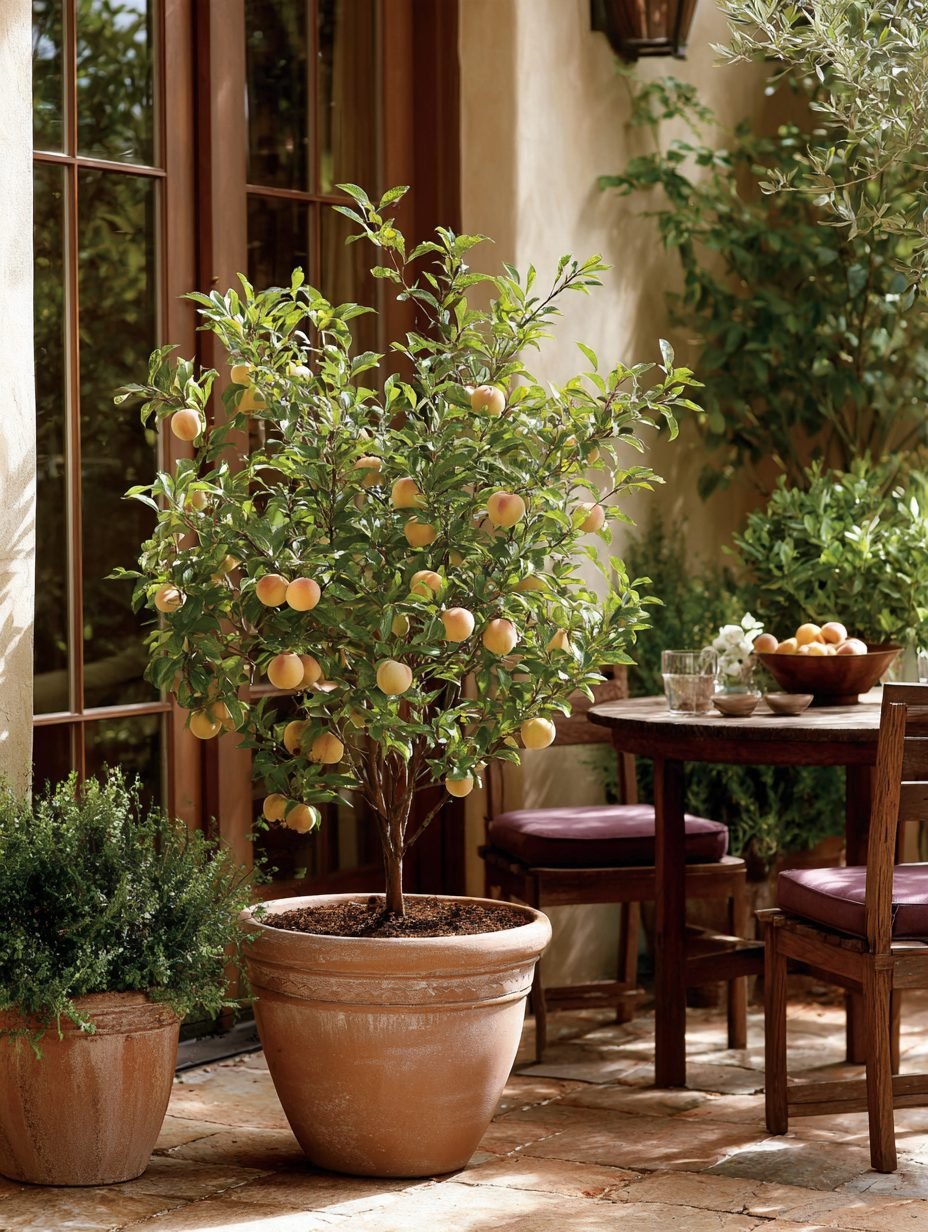
The peach is the beginner's fruit tree and nobody should be embarrassed about that. Most varieties fruit in their second or third year: almost unheard of in the tree world, and a single healthy tree can drop more peaches than your household can eat. That's a feature, not a problem: you'll learn to share, preserve, and grill them (yes, grilled peaches).
Climate: Needs winter chill hours to set fruit, so match the variety to your zone: low-chill varieties exist for warm climates, high-chill for cold ones. Full sun, well-drained soil.
Care level: Easy-moderate. Prune yearly to keep it open and productive.

Apples: The Heritage Pick
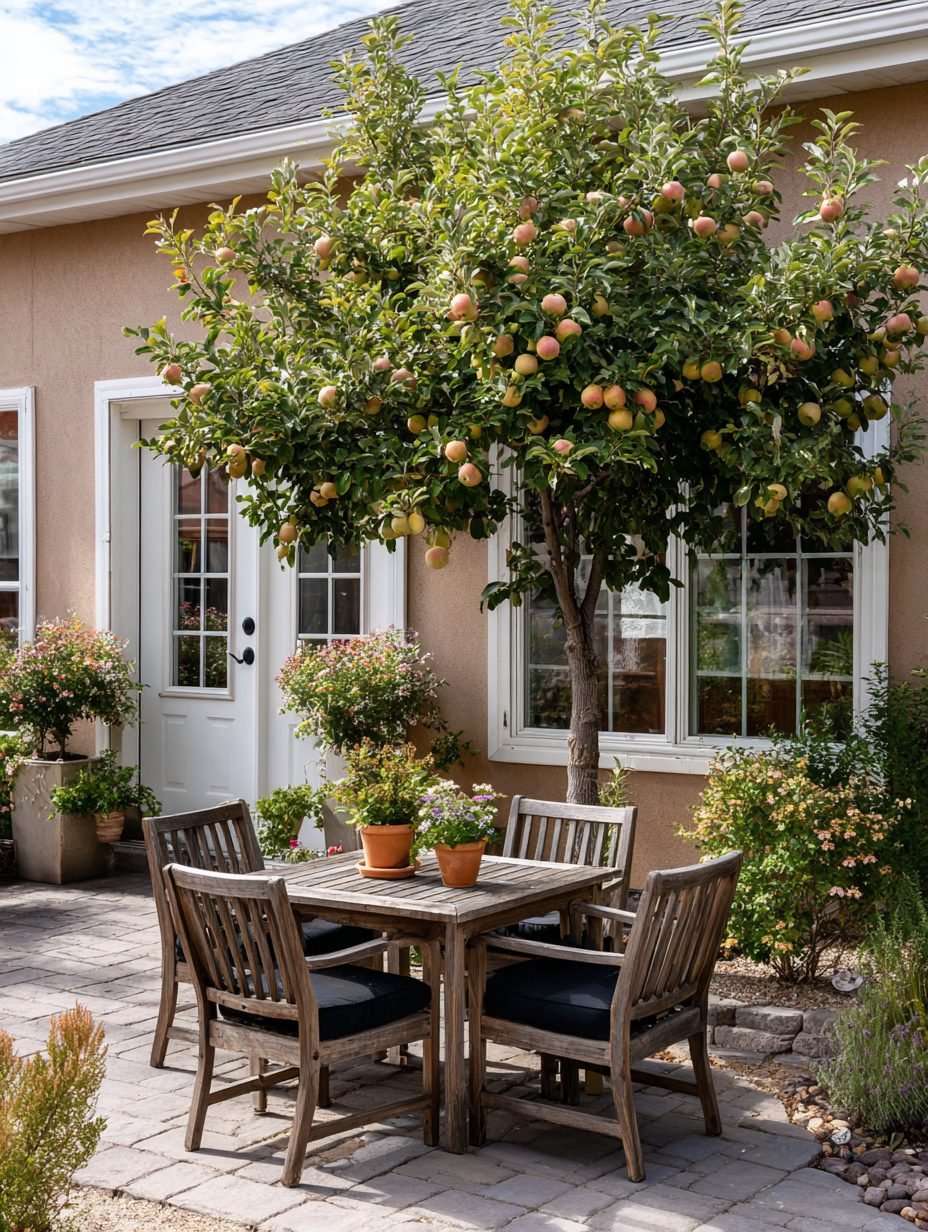
Apples are the tree your grandfather would approve of, and he'd be right. Hundreds of varieties, decades of productive life, fruit that stores for months. Plant two compatible varieties for cross-pollination (or one self-fertile type) and you'll be harvesting through fall.
Climate: The most cold-hardy tree on this list: thrives where others sulk. Needs chill hours; check variety against your zone.
Care level: Moderate. Annual pruning and thinning the young fruit (fewer apples = bigger, better apples).

Pears: The Patient One
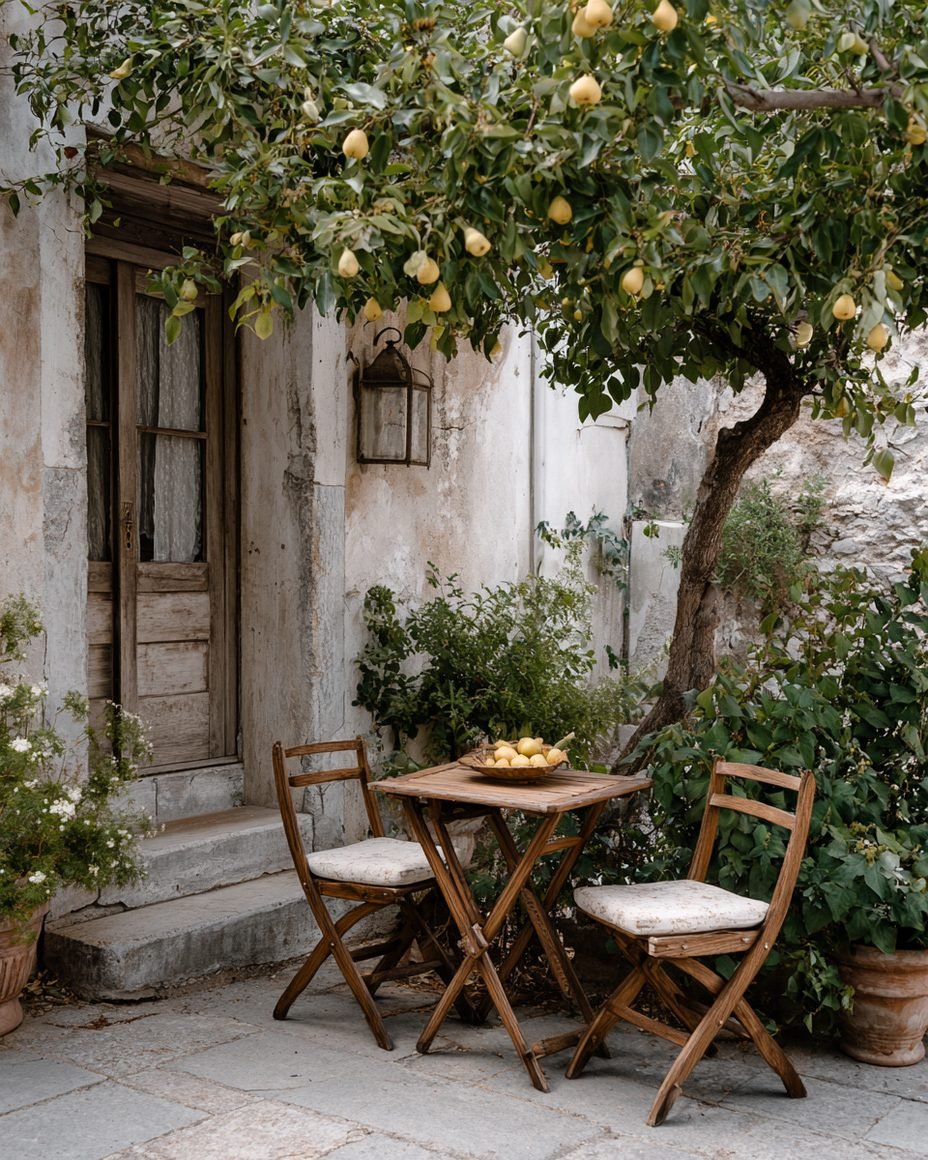
Pears ask for patience and repay it with interest. They take a few years longer than peaches to hit stride, but a mature pear tree is a monument: productive for 50 years or more with minimal fuss. European pears for eating fresh, Asian pears for crunch straight off the branch.
Climate: Cold-hardy like apples; needs chill hours. Tolerates heavier soil than most fruit trees.
Care level: Easy. Among the lowest-maintenance fruit trees you can plant: fewer pest problems than apples or peaches.

Pomegranates: The Indestructible Jewel
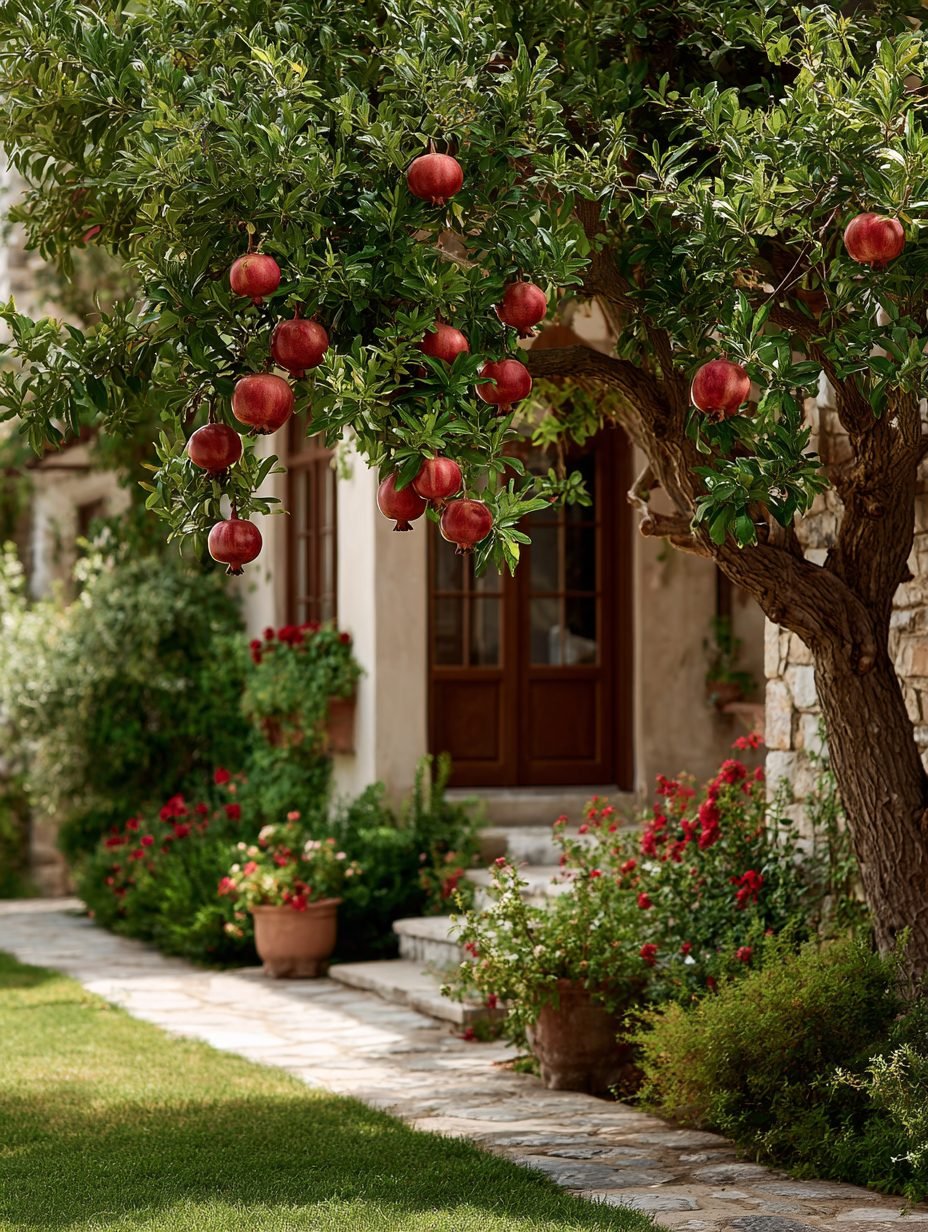
If you live somewhere hot, this is the highest-reward, lowest-effort tree on the list. Drought-tolerant once established, unbothered by poor soil, beautiful in flower, and the fruit (jewel-red, packed with arils) is as ornamental as it is edible. It looks like landscaping and eats like a harvest.
Climate: Loves heat, tolerates drought. Needs a long, hot summer to ripen fully. Marginal in cold zones (some hardy varieties exist; check).
Care level: Very easy. Plant it, water it through year one, then mostly leave it alone.

Lemons: The Everyday Luxury
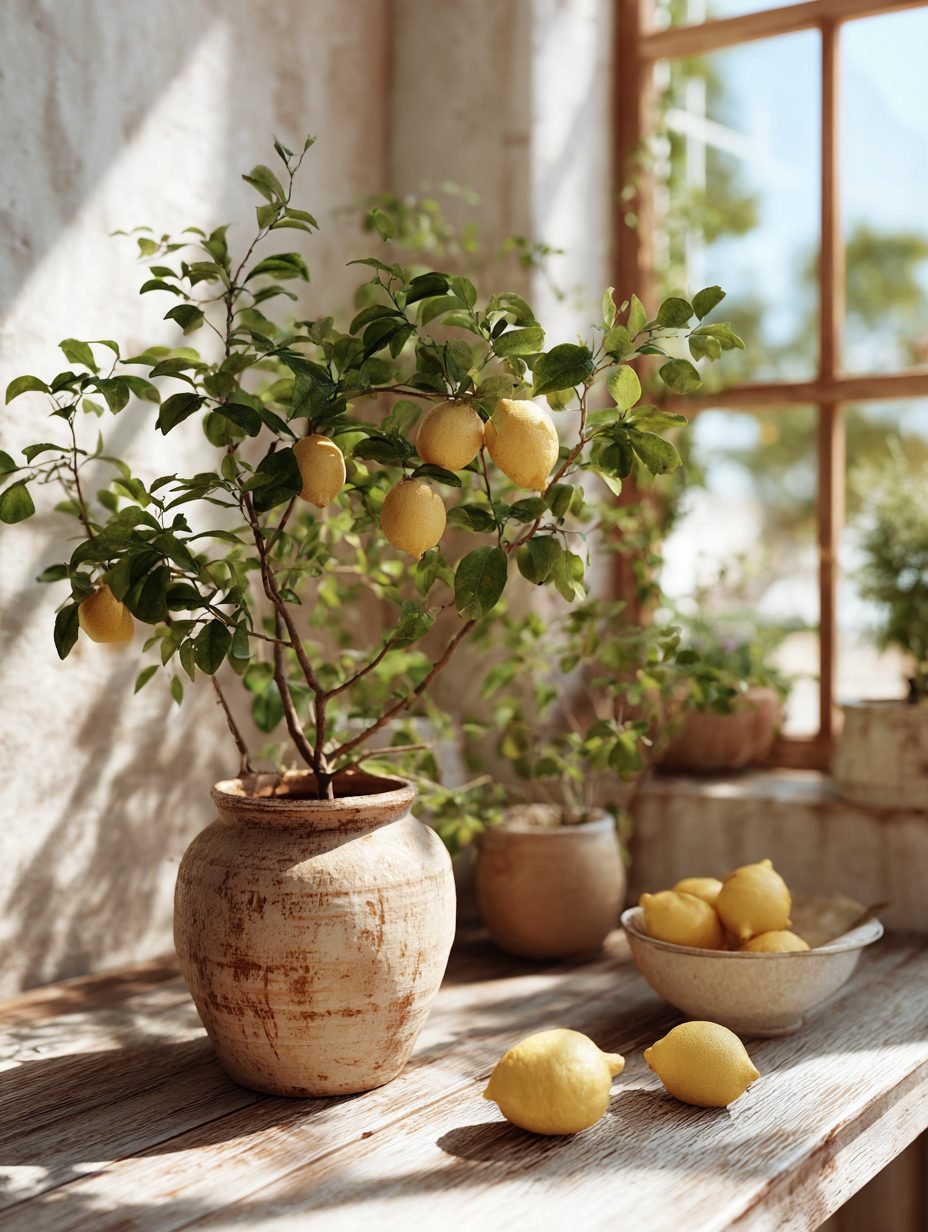
No tree pays daily dividends like a lemon. A mature Meyer lemon in a warm climate produces hundreds of fruit a year: for cooking, for drinks, for the simple pleasure of walking outside and picking one. In cold climates, it lives happily in a large pot that comes indoors for winter, which makes it the most democratic tree on this list.
Climate: Warm zones in the ground; anywhere in a container. Frost is the enemy: protect below freezing.
Care level: Easy. Regular water, occasional feeding, and it mostly takes care of itself.

Figs: The Ancient Easy Win
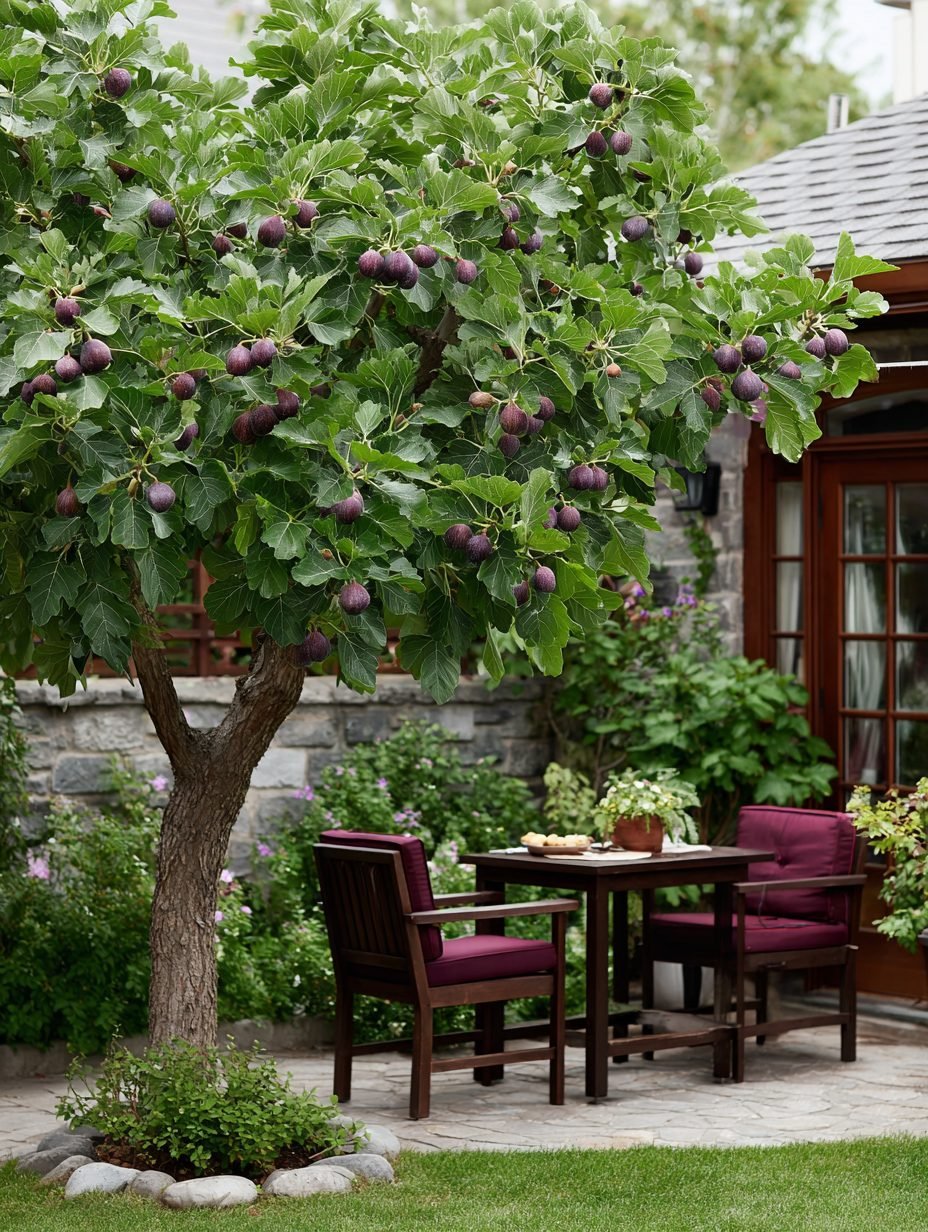
Figs have been feeding humans for thousands of years because they're nearly foolproof. They tolerate heat, poor soil, and neglect; they fruit young; and a sun-warmed fig eaten off the tree is one of the great unbuyable experiences: figs don't ship, so the only real ones are homegrown.
Climate: Mediterranean and warm-temperate climates are ideal. Hardy varieties (like Chicago Hardy) push into colder zones with winter protection.
Care level: Very easy. Prune lightly, don't overwater, get out of its way.

Cherries: The Crown Jewel
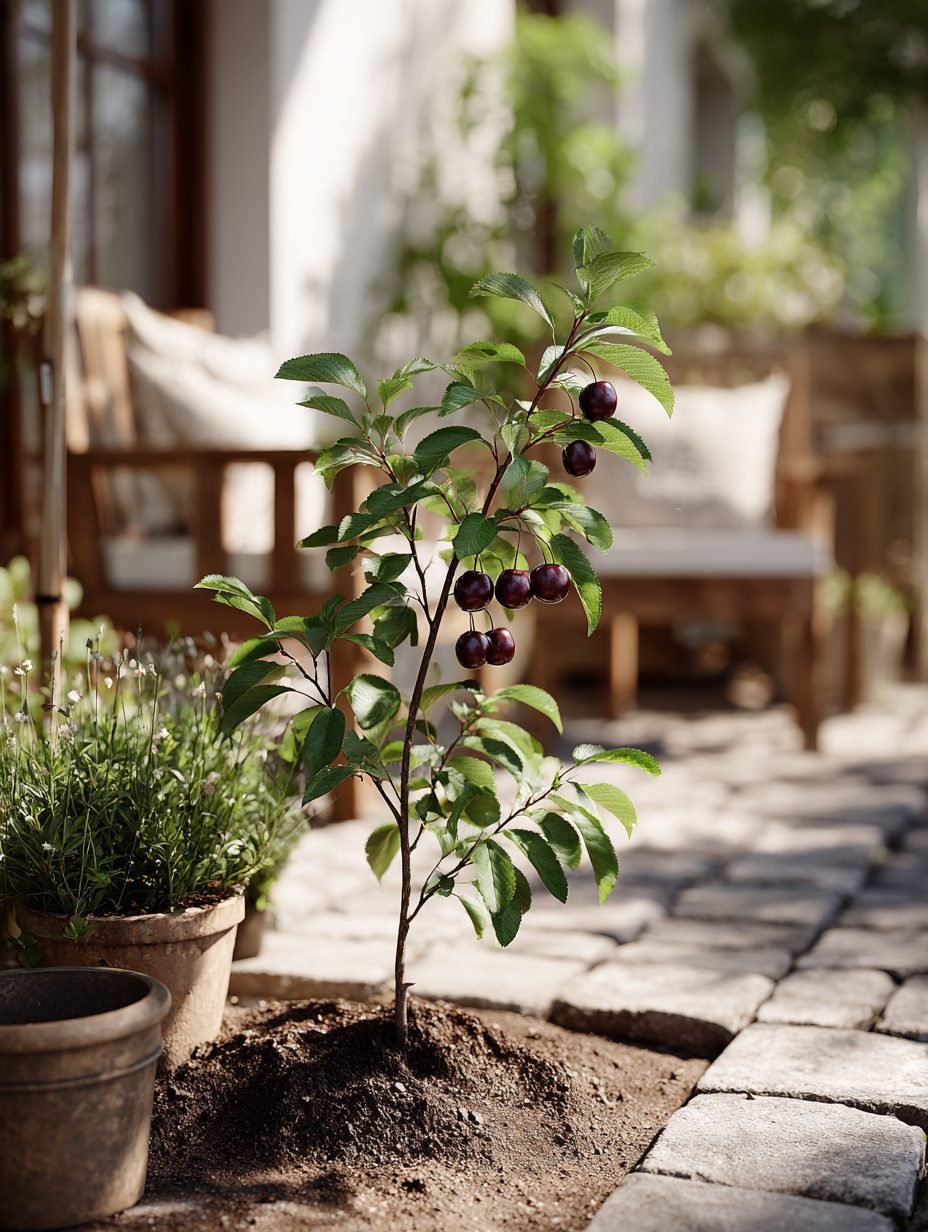
Cherries are the aspirational pick: the tree that makes the backyard feel like an estate. Sweet cherries need the right chill hours and a pollination partner, but sour cherries (for pies, preserves, and the best jam you'll ever taste) are tougher, more compact, and self-fertile. Either way, blossom season alone is worth the planting.
Climate: Sweet cherries need real winter chill; sour cherries handle colder zones. Both want full sun and good drainage.
Care level: Moderate. Net the fruit if birds discover it before you do (they will).
Plant them
Shop the collection: Our fruit trees & berry plants on LTK
Part of the Sharp & Driven gardening cluster: start with Why Modern Men Are Into Gardening.
Sharp & Driven
Sharp & Driven covers style, health, knowledge, ambition and the art of living well. We build economic and cultural capital, and a life of depth.
The Sharp & Driven Edit
One thoughtful email a week — what to read, what to know, what is worth owning. No noise.
Unsubscribe anytime. We never share your address.