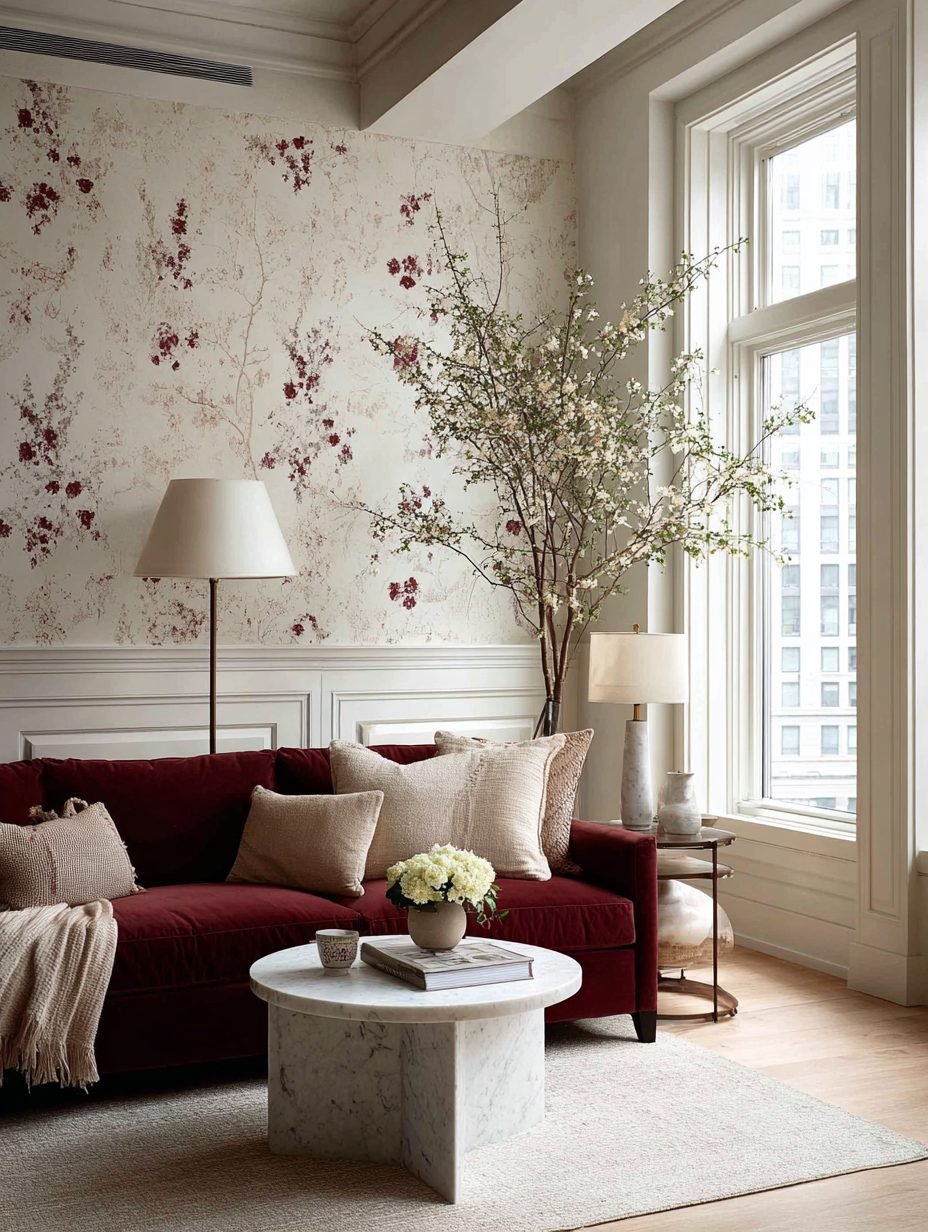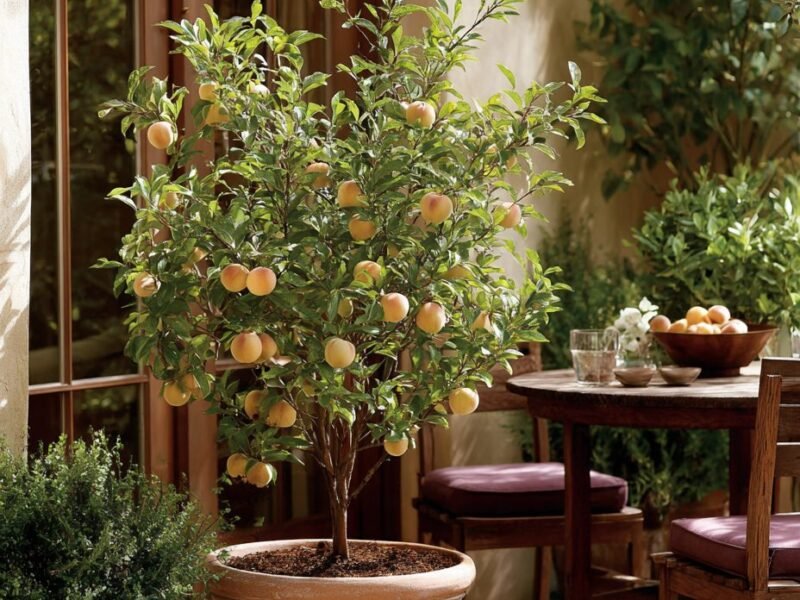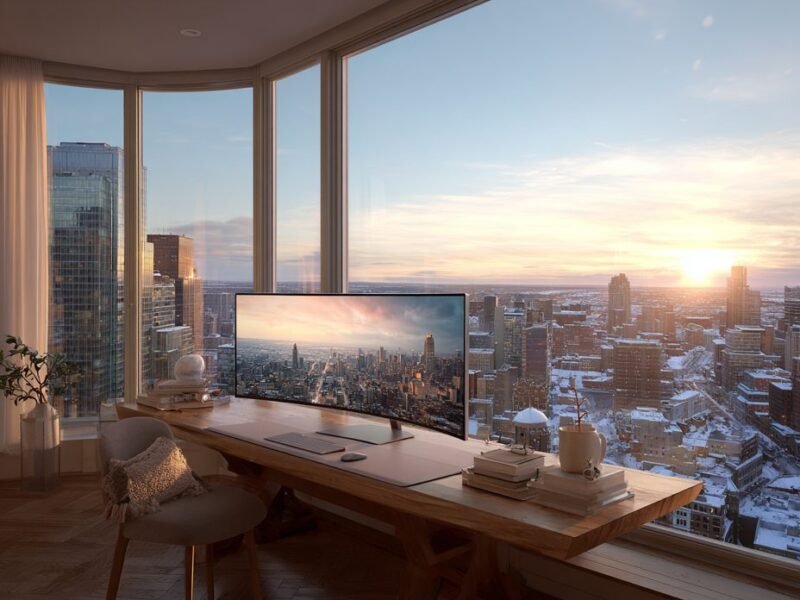

The most interesting rooms right now are not the most finished ones. They are the most collected: spaces that look gathered over time rather than delivered in a single truck. Seven details that give a room that inherited feeling.
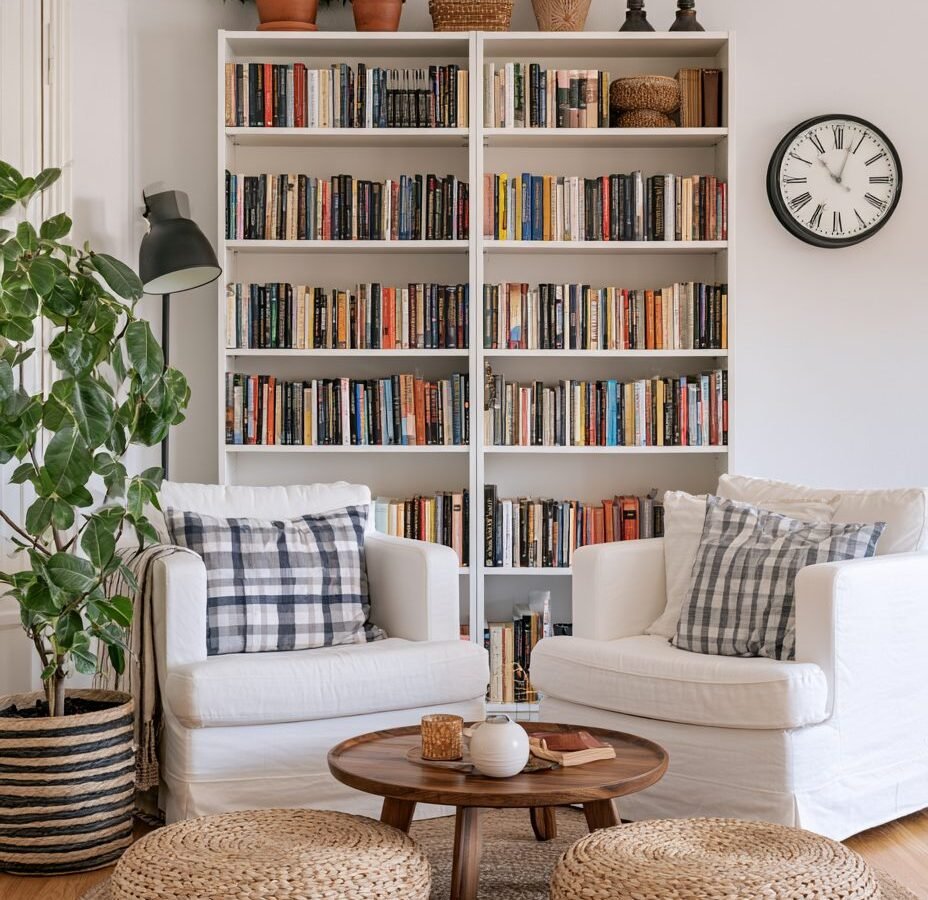
Slide 1: The Collected Bookshelf
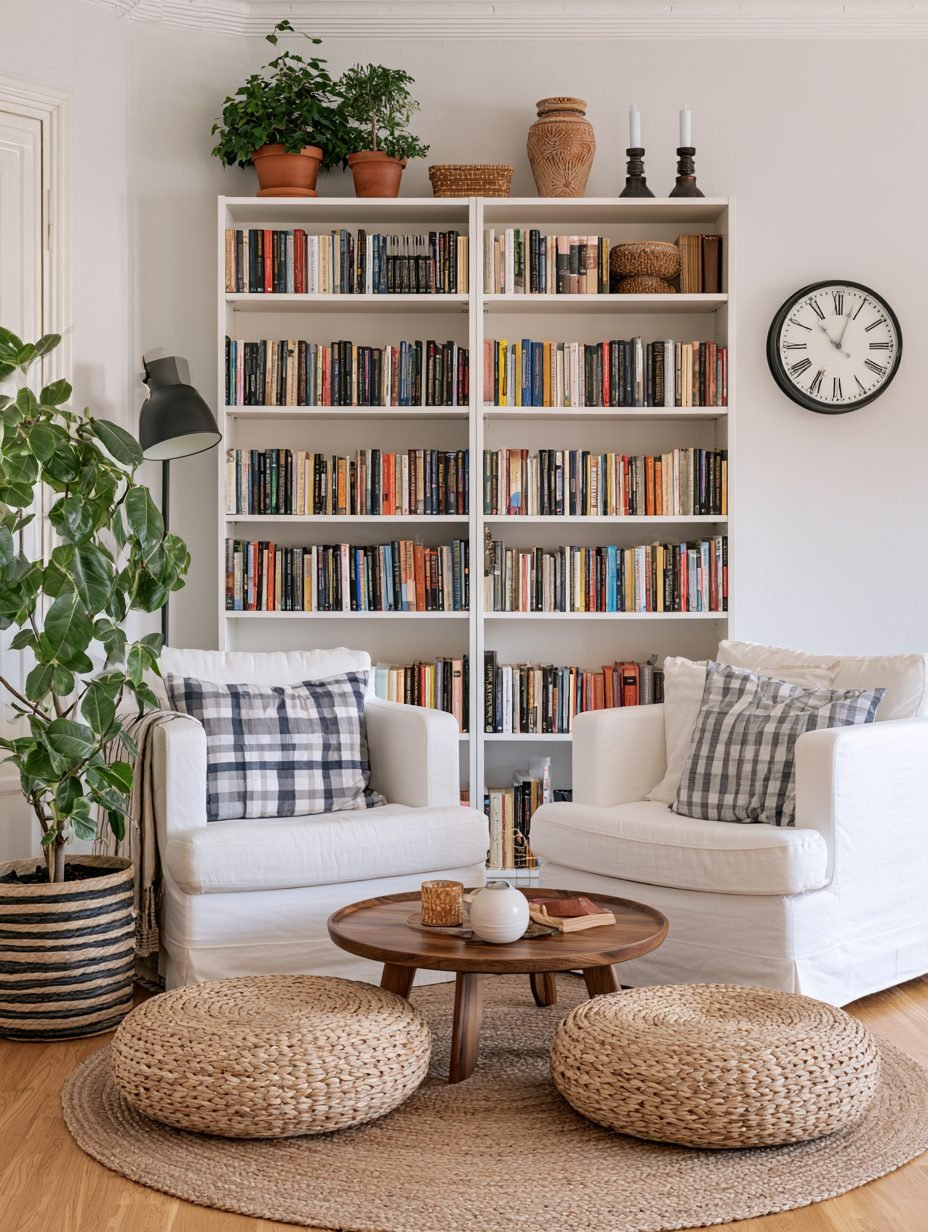
The shelf that looks inherited, not staged: books accumulated over years, spines leaning where they stopped, a horizontal stack of art books doubling as a pedestal for a small sculpture or a framed photograph. Why it works: a collected shelf tells you someone reads, travels, keeps things. No showroom can manufacture that accumulated texture, and visitors can feel the difference instantly.
Slide 2: Aged Wood and Stone
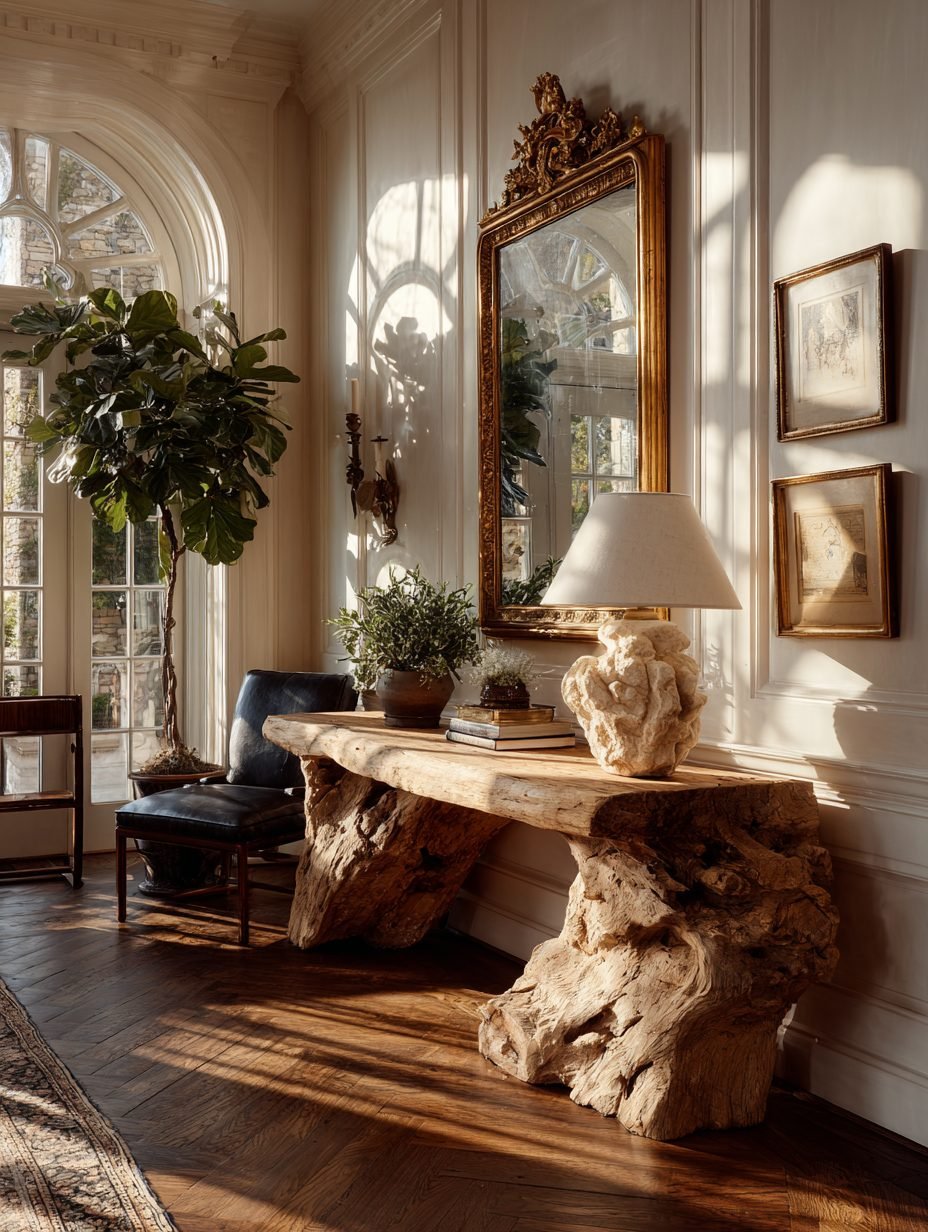
Wood with a patina, stone with a weathered face, surfaces that show they have been touched. A worn oak table, a rough limestone wall, floorboards that creak honestly. Why it works: new materials reflect light perfectly and personality imperfectly. Aged surfaces absorb the room’s history and give everything placed on them more gravity: a cheap bowl looks better on an old table than an expensive one looks on a glossy one.
Slide 3: The Antique Brass Detail
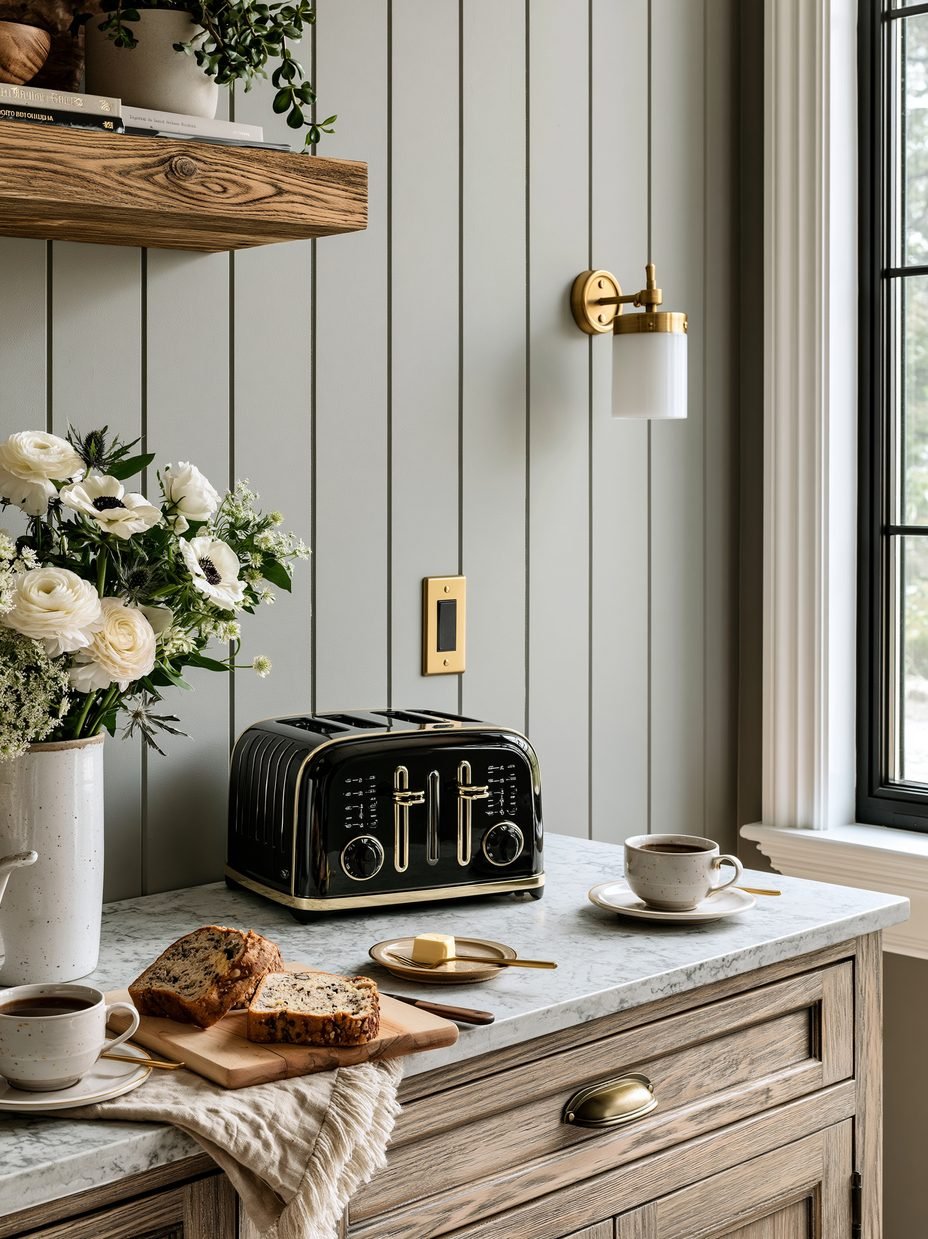
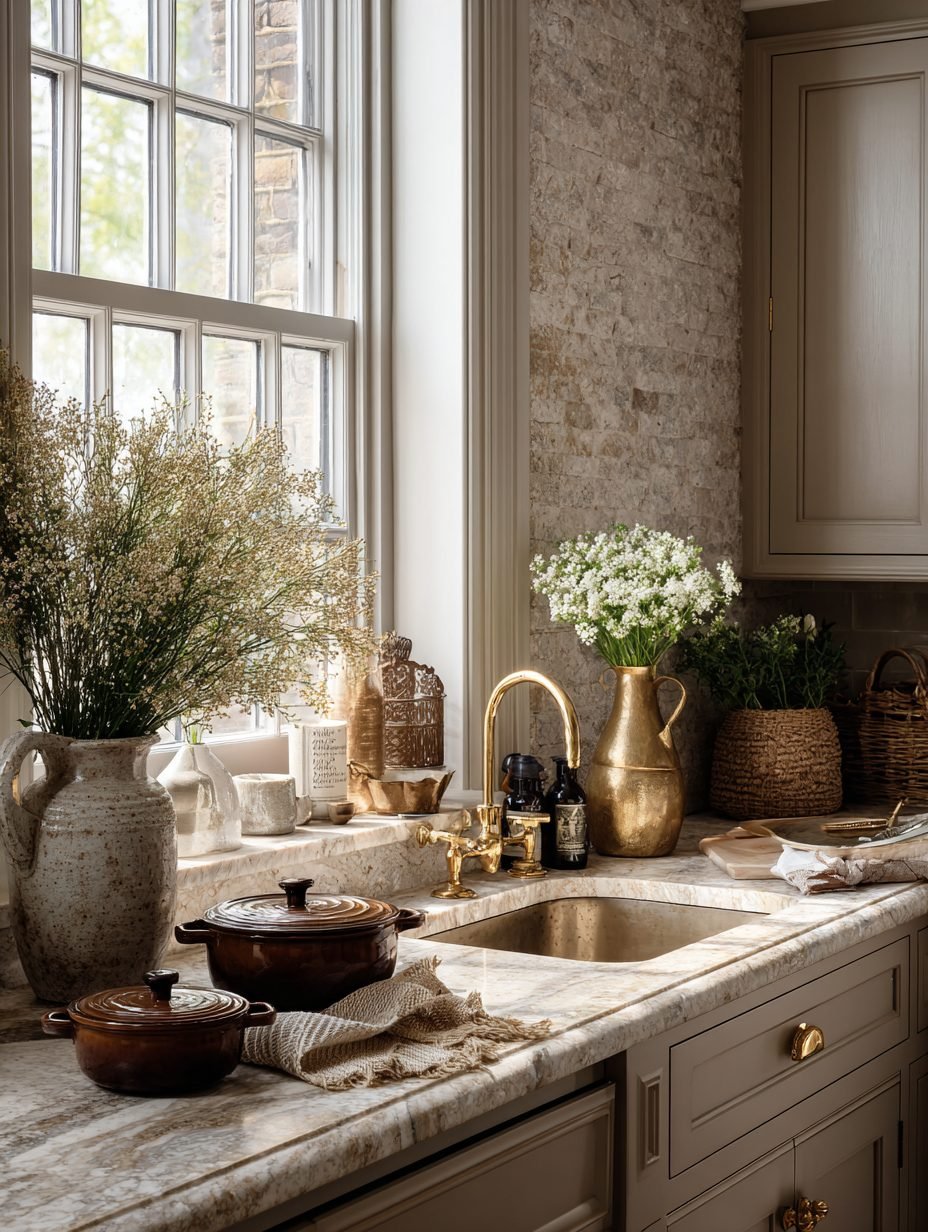
One small aged-metal moment: brass outlet covers, an old door handle, a tarnished picture light, a vintage faucet. Why it works: it signals that the house was considered at the level of touch, not just at the level of the photograph. Brass that has darkened in the right places reads as time served: the opposite of the just-installed shine that dates a renovation within a year.
Slide 4: Art That Looks Found, Not Bought
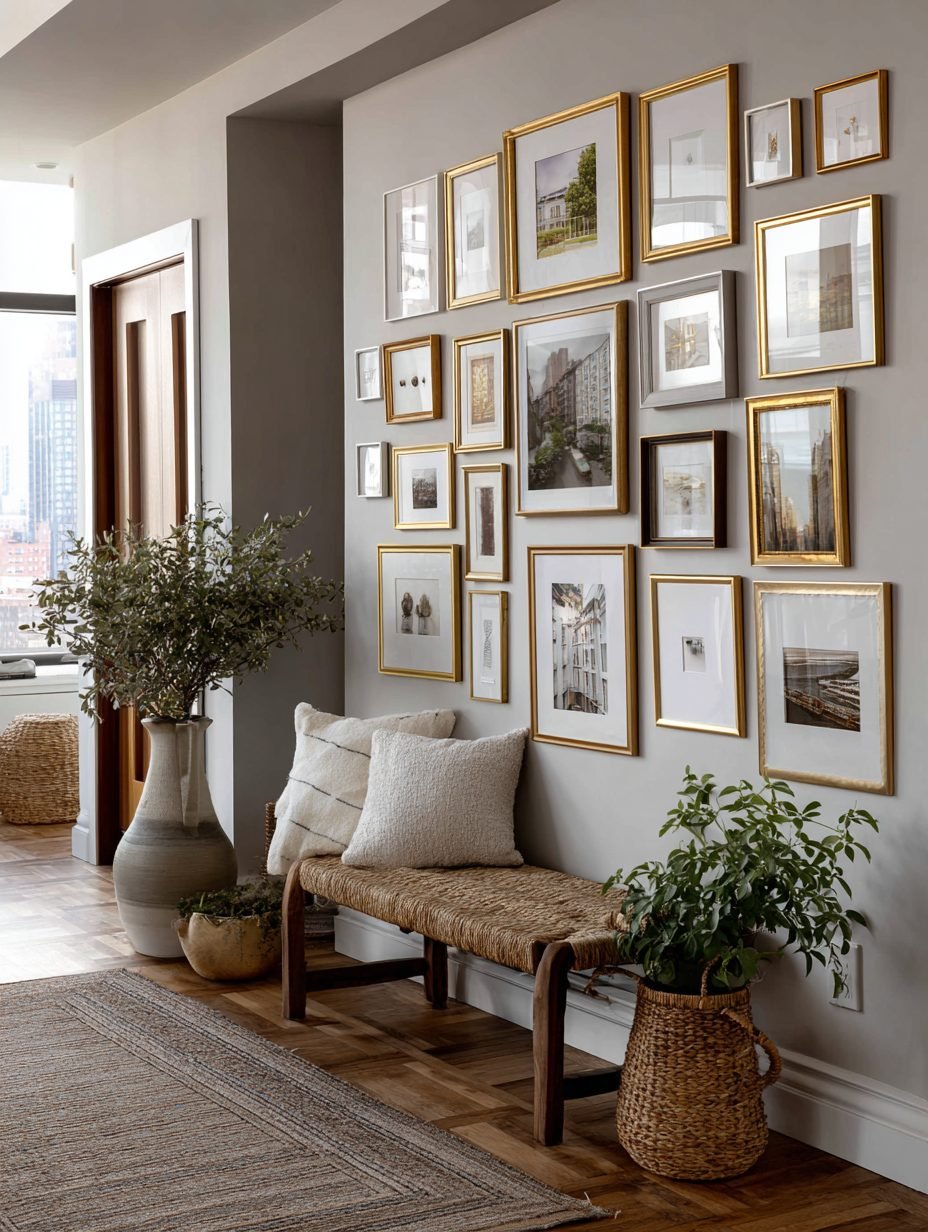
A painting that seems discovered at an estate sale or brought back from a trip, hung slightly off-center in a frame with some age on it. Why it works: art with a backstory (real or plausibly imagined) does what a matched set of prints cannot. It suggests a life with chapters. The frame matters as much as the image: gilt, wood, a little wear at the edges.
Slide 5: Craft Objects
Handmade things: a thrown ceramic vessel, a woven basket, a carved wooden bowl, a textile with a visible weave. Why it works: the human hand leaves evidence: slight asymmetry, variation in glaze, the mark of the maker. In a room full of machine-perfect objects, one handmade piece introduces the only texture that matters: proof that someone made something, slowly, on purpose.
Slide 6: The Lived-In Reading Corner
An armchair or deep sofa that has clearly been sat in, a side table with a book left open, a lamp at the right height, a throw that is actually used. Why it works: the reading corner is the room’s proof of habit. It says someone returns to this exact spot every evening, which is the definition of a room that is lived in rather than looked at. Comfort here is not styling; it is evidence.
Slide 7: Mixing Old and New
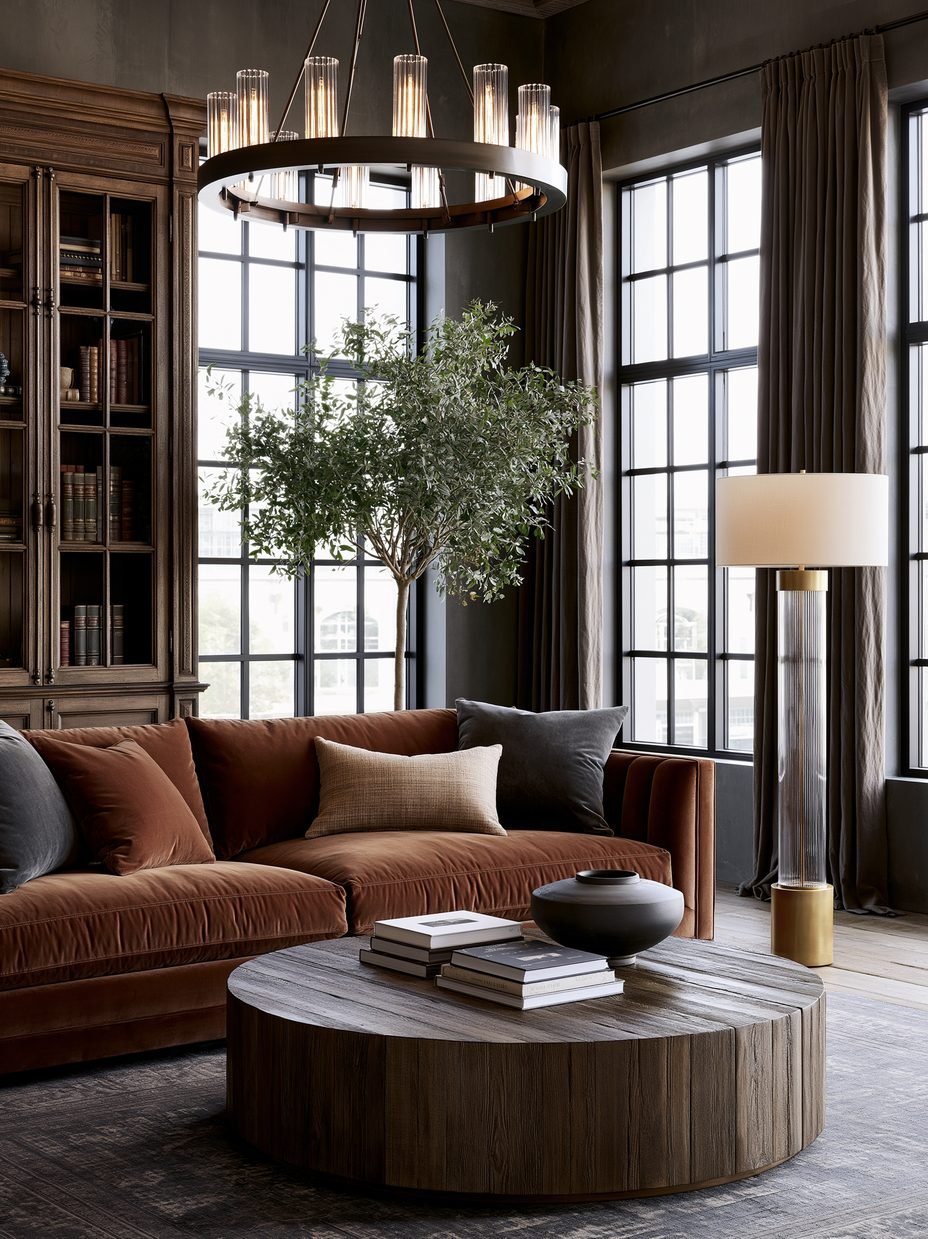
An antique chest beside a contemporary chair. A modern lamp on a century-old desk. Why it works: rooms that mix eras look like they belong to someone with a point of view, while rooms from a single catalog look like they belong to the catalog. The contrast is the personality: each piece makes the other more interesting, and the room reads as a collection rather than a purchase. (And nothing here is an argument against minimalism done well. A spare room with one perfect old chair and beautiful light is collected, too. The enemy was never simplicity; it was anonymity.)