6 Destinations That Build Cultural Capital: Not Just Your Camera Roll
Six places that rewire how you see: Athens, Florence, Lisbon, China, New York and Bali, and the cultural capital each one deposits.
Some trips fill a camera roll. Others rewire how you see. The well-traveled person isn't the one with the most passport stamps. It's the one who comes home seeing their own life more clearly. These six places each carry an idea about how societies work, and each one deposits something in your cultural capital account.
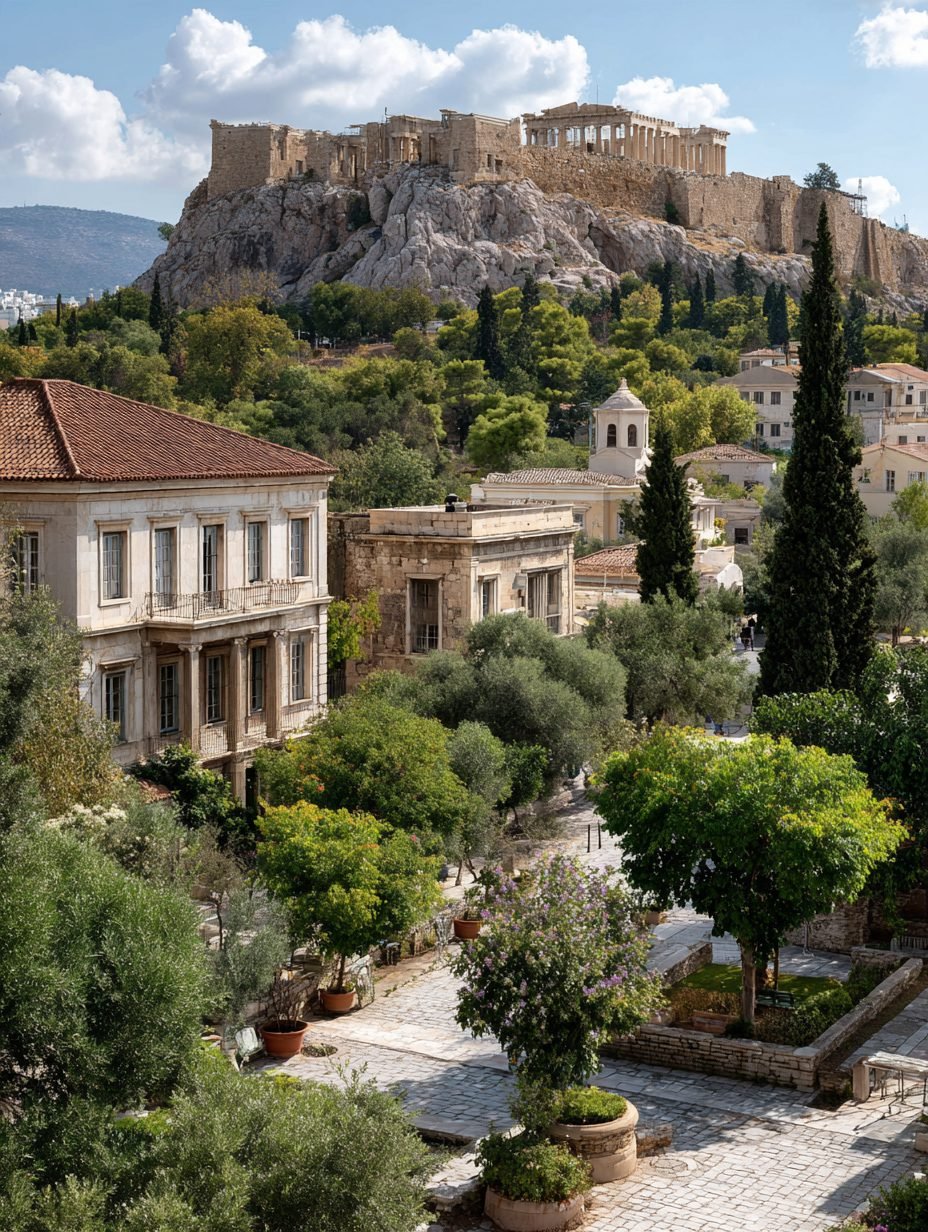
Athens: Where Citizenship Was Invented
Athens is not a museum. It is the original argument for self-government, built in marble.
Stand on the Acropolis and you're looking at a civilization that believed ordinary citizens, at least the free adult men among them, could run a state, and then proved it by building something that's still standing 2,500 years later. The Parthenon is a political statement before it's a beautiful building. That's the thing most tourists miss while taking the same photo everyone takes.
Walk the ancient Agora slowly. Read a few paragraphs of Pericles' funeral oration the night before: the ruins read completely differently once you know what the builders were trying to say. You'll leave understanding something most people never grasp: democracy wasn't an idea first. It was a practice, in a specific place, by specific people who showed up.
Cultural capital earned: the ability to talk about democracy as something humans built, not something that fell from the sky.
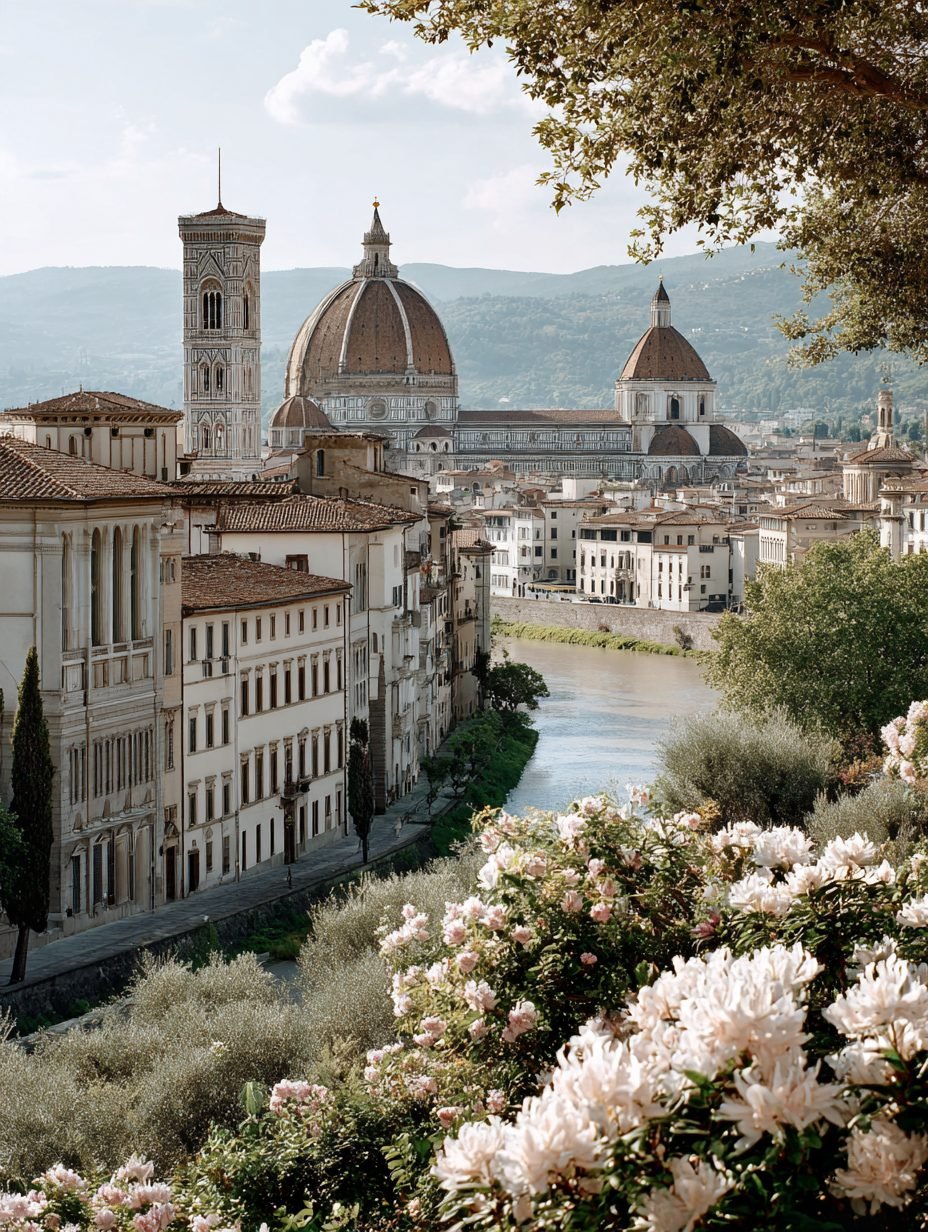
Florence: Art as Infrastructure
Here's what the guidebooks won't tell you: the Renaissance was not a miracle. It was a budget line.
Florence's guilds, bankers, and feuding families turned art into the city's operating system. They funded it, organized it, and competed over it the way modern cities compete over tech campuses. Walk the streets and notice the proportion: doorways, domes, entire neighborhoods built to human scale and civic pride. That's not taste. That's investment compounding over centuries.
Skip the three-hour Uffizi queue at least once. Spend that afternoon in an Oltrarno workshop instead, where bookbinders and framers still work the way their predecessors did five hundred years ago. Then ask yourself the uncomfortable question: what is your city investing in that will still matter in five hundred years?
Cultural capital earned: understanding that culture isn't decoration: it's infrastructure, and someone always pays for it.
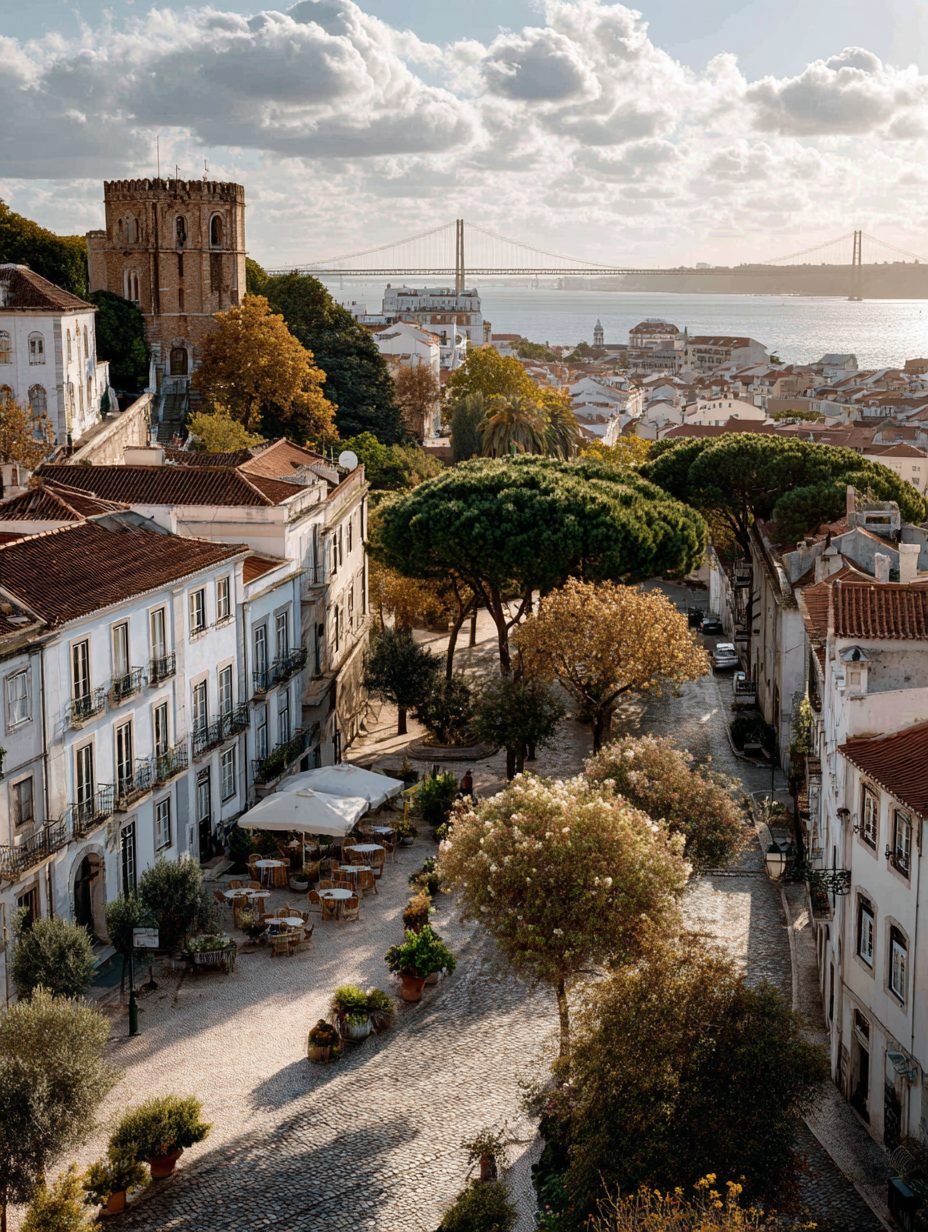
Lisbon: The Poetry of an Empire's Afterglow
Every empire ends. Almost none handle it with Lisbon's grace.
The city that launched the age of exploration now runs on saudade, the untranslatable Portuguese ache for what's gone, and it shows in everything: fado music in tiny Alfama taverns, tiled facades that turn whole streets into galleries, a whole culture built around dignified longing. The azulejos alone are worth the trip: public art as everyday infrastructure, stories told across building walls for anyone walking by.
Skip the packed tourist tram. Walk Mouraria instead, the old Moorish quarter, then hear fado somewhere small and unpolished. Lisbon teaches the lesson ambitious people most need: how to be smaller than you once were and more interesting for it. There's cultural capital in knowing that decline, handled well, is its own kind of achievement.
Cultural capital earned: a working definition of grace under diminished circumstances: useful far beyond travel.
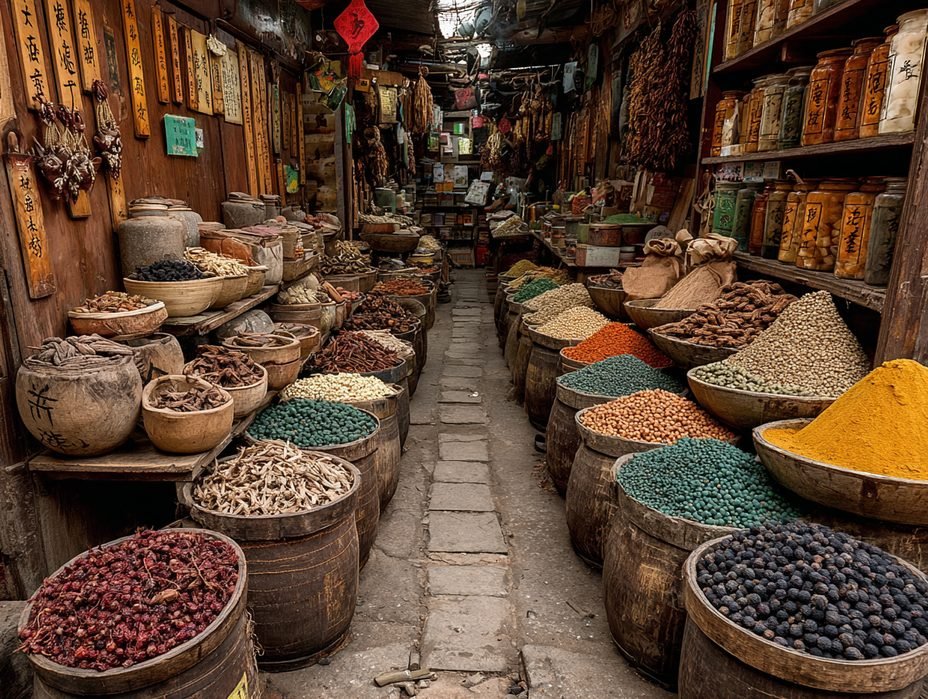
China: A Civilization That Thinks in Centuries
Most Western travelers have no real sense of scale until China corrects it.
This is a culture that was perfecting porcelain while Europe was still figuring out plumbing, that built a wall across mountains by hand and an imperial palace complex the size of a small city that ran an empire's operating system for five centuries. China thinks in centuries the way quarterly earnings calls think in quarters, and standing inside that perspective is genuinely disorienting in the best way.
But the real education isn't the monuments. It's the morning market: baskets of spices you can't name, apothecaries measuring herbs by handfuls, vendors who've worked the same stall for decades. Empires leave buildings. Civilizations leave habits: how people eat, heal, haggle, and greet the day. Watch the market and you understand the country faster than any museum could manage.
Cultural capital earned: the end of thinking your civilization's timeline is the only one that counts.
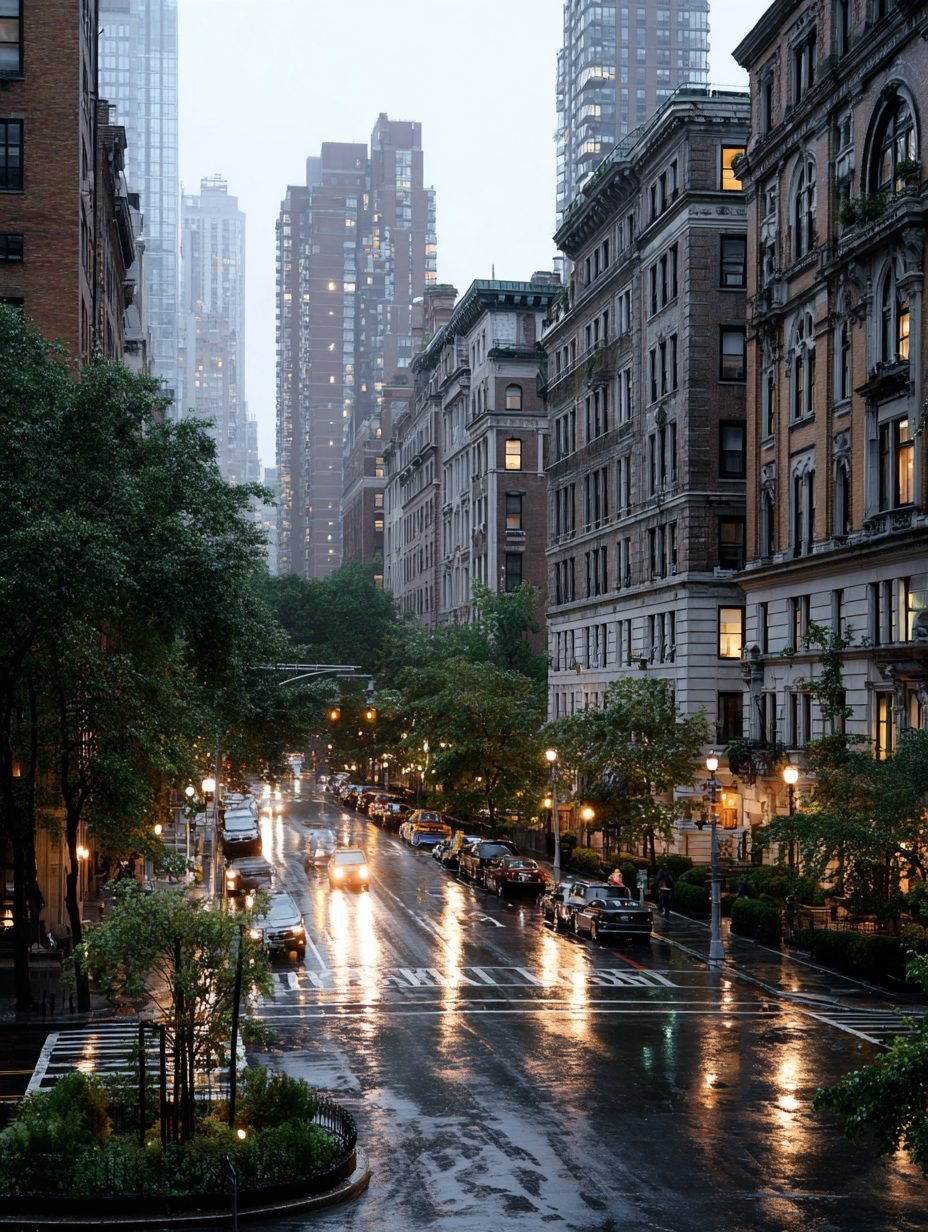
New York: The Capital of Becoming
Every other city on this list is about what was. New York is about what's next.
It's the only place on earth where a taxi driver might have been a surgeon in his home country, where the person next to you at a gallery opening might be three years away from changing an industry. The city's real monument isn't a building. It's the mechanism: waves of ambitious outsiders arriving with nothing, converting hunger into capital, economic and cultural both. The Met, Broadway, the galleries of Chelsea: they're the display cases. The engine is the street.
Do it right: pick one neighborhood and walk it properly. Eat where the locals eat in Jackson Heights or Flushing. See something live: a jazz set, an off-Broadway play, anything with a stage and fifty seats. New York rewards the traveler who treats it as a working city, not a theme park.
Cultural capital earned: firsthand knowledge of how ambition compounds when a city is built to let it.
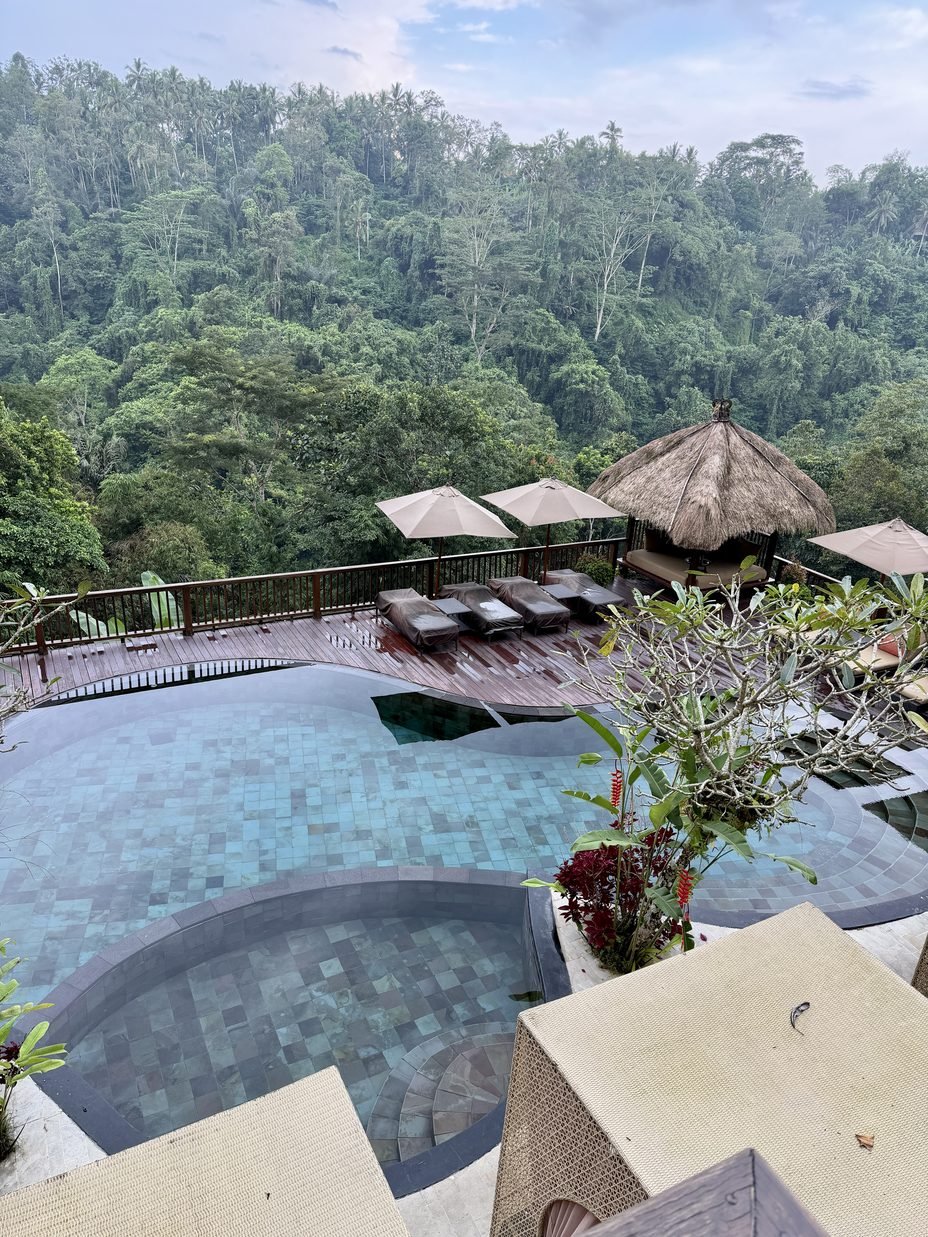
Bali: The Difference Between Tourism and Pilgrimage
Bali has a problem: millions visit, few actually arrive.
The island's surface is well documented: infinity pools, smoothie bowls, the same swing photo ten thousand times a day. But underneath sits one of the world's most intact spiritual cultures: a Hindu island in the world's largest Muslim nation, where daily offerings of flowers and rice appear on every doorstep, where temple ceremonies still order village life, where craft (woodcarving, textiles, gamelan) is devotion made tangible.
The culturally aware traveler skips the beach club and finds the real thing: a dawn ceremony at a water temple, a carver's workshop in Mas, a conversation with someone who can explain what the offerings mean. Bali's lesson is the subtlest on this list: that a place can be both deeply sacred and completely overrun, and telling the difference is a skill.
Cultural capital earned: the ability to find the real thing inside the tourist version. That skill transfers everywhere.
Going deeper: Things You Didn't Know Greece Gave Us: the eight Greek inventions that run the modern world.

Sharp & Driven
Sharp & Driven covers style, health, knowledge, ambition and the art of living well. We build economic and cultural capital, and a life of depth.
The Sharp & Driven Edit
One thoughtful email a week — what to read, what to know, what is worth owning. No noise.
Unsubscribe anytime. We never share your address.