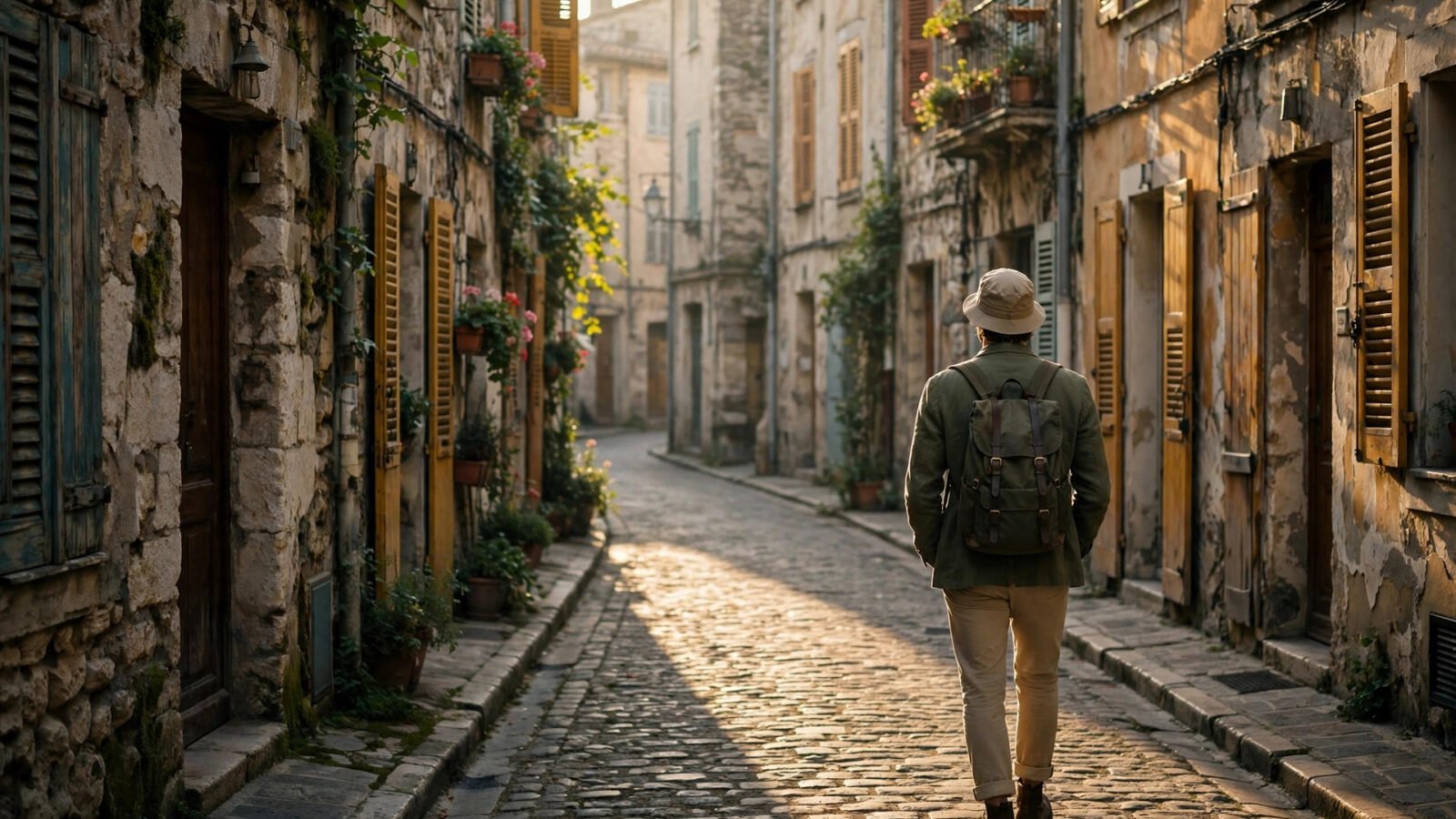

Somewhere along the way, travel became a scoreboard. How many countries. How fast. The map with the pins, the list with the checkmarks. We understand the impulse; a life with stamps in the passport is a life that sounds interesting at dinner. But counting is collecting, and collecting is not the same as knowing. The traveler who has spent three slow weeks in one city usually understands more about the world than the one who spent three days each in twenty countries. Depth beats breadth, and it is not close.
Read before you arrive
The cheapest upgrade in travel is a book. Read a novel set in the city, a short history, even one good long article on the flight over. You will see ten times more, because you will know what you are looking at. The traveler who knows why the buildings look that way is having a fundamentally different trip than the one taking the same photograph without the story. Preparation is not the opposite of spontaneity; it is what makes spontaneity meaningful.
Learn the history, lightly
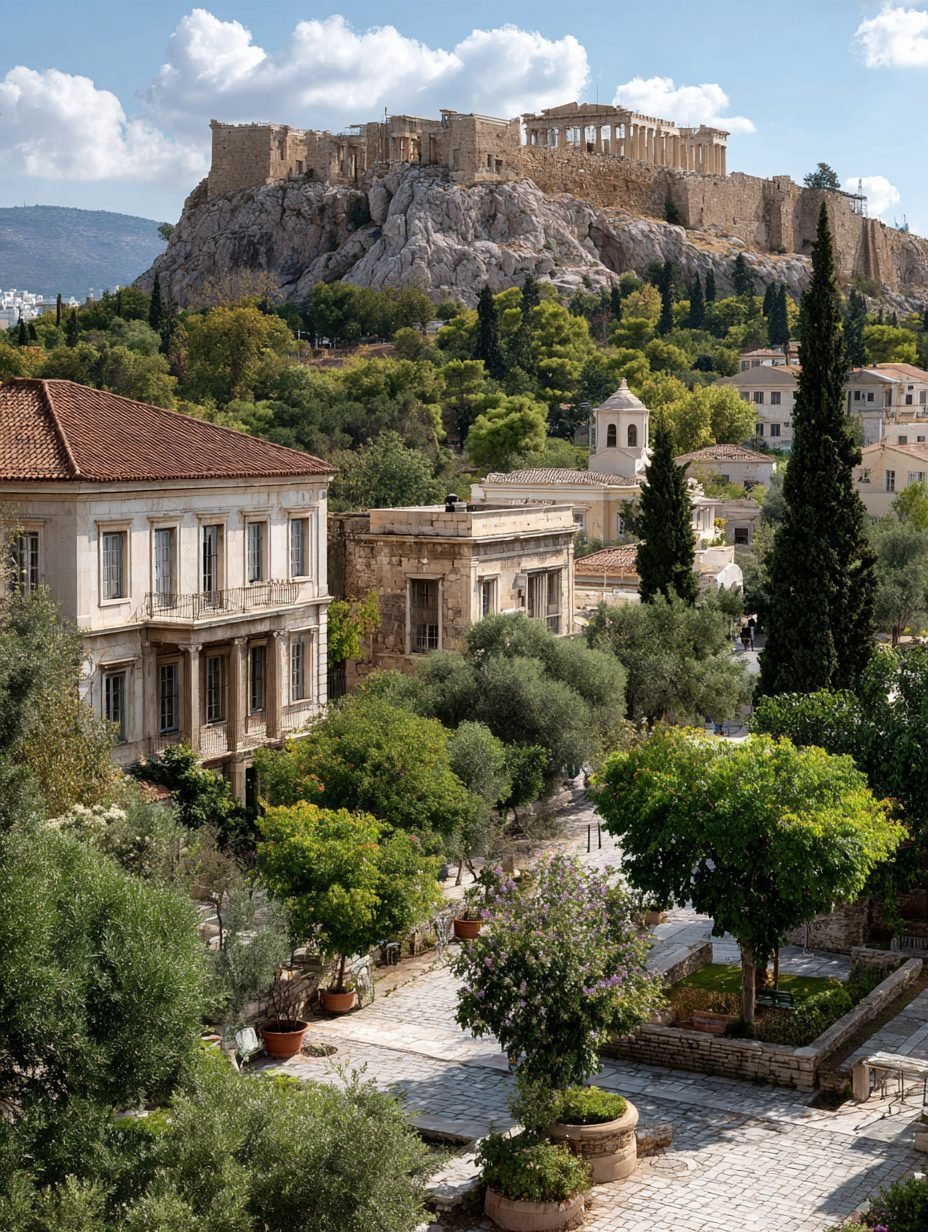
You do not need a degree. You need the shape of the place: who built it, what broke it, what it is proud of, what it argues about. Take a walking tour on day one and visit one museum on day two, and suddenly the streets make sense. History is what turns scenery into meaning. A ruin is a pile of stones until someone tells you what happened there; then it is the reason you came.
Walk until the map makes sense
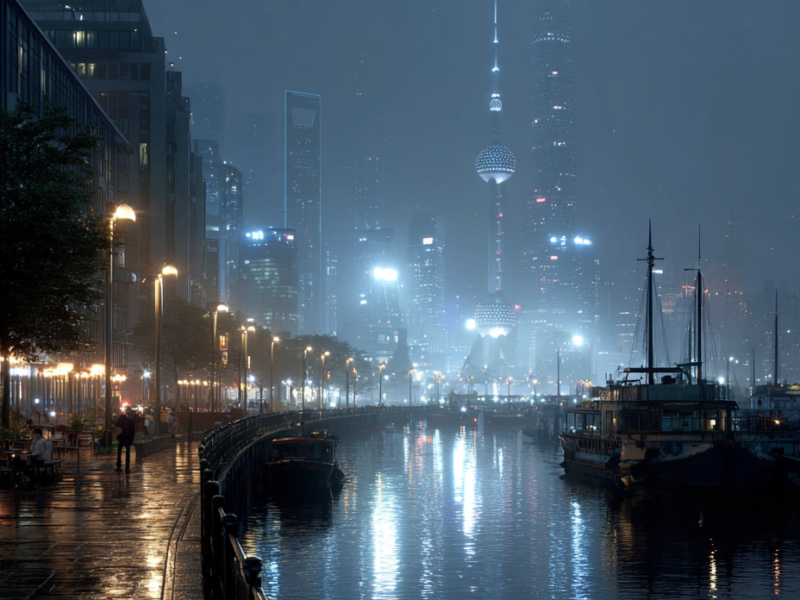
The best way to learn a city is on foot, without a destination. Walk the neighborhoods that are not in the guide. Notice the bakeries, the corner bars, the school letting out, the way people actually live when nobody is watching. A city learned by walking stays with you for years. A city learned by taxi stays in your camera roll. Your feet are the finest travel technology ever made, and they are already paid for.
Eat like someone lives there
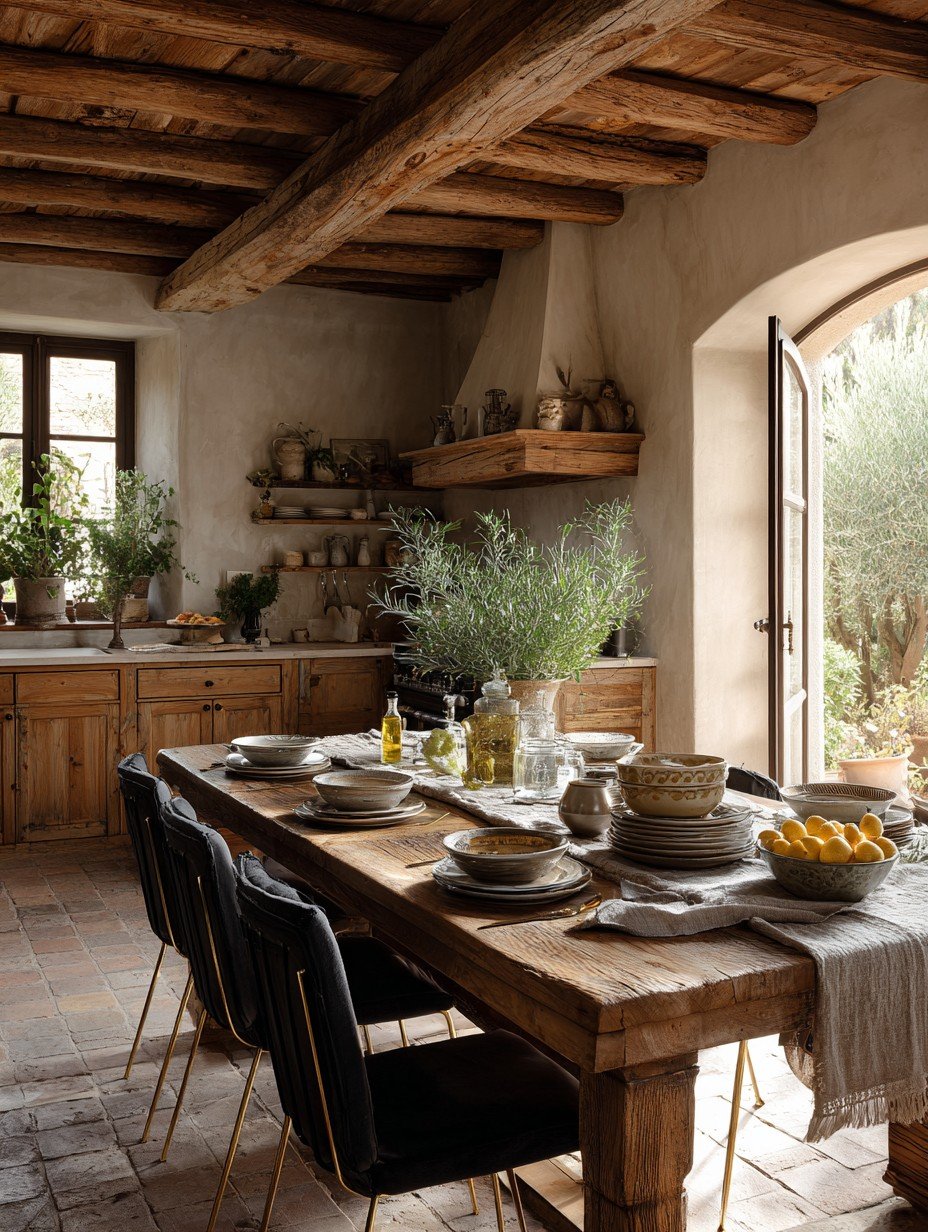
Skip the restaurant with the view and the translated menu. Eat where the lunch crowd goes: the market hall, the family place two streets off the square, the dish you cannot pronounce. Food is the fastest education any place offers, and it usually costs less than the tourist menu. Order what the table next to you is having. Ask the waiter what she would eat. Curiosity is the whole menu.
Stay longer, go slower
The final rule, and the hardest one: fewer places, more time. Three days is a visit; two weeks is the beginning of an understanding. Leave unscheduled hours. Let a neighborhood become familiar enough that the barista nods at you. The point was never to see everything. The point was to let someplace change you a little, and that takes longer than a long weekend. When you are ready to choose where that depth happens, start with 6 Destinations That Build Cultural Capital.
Our Pick: going somewhere worth slowing down for? Browse hotels on Expedia and compare rates on Hotels.com (affiliate links).