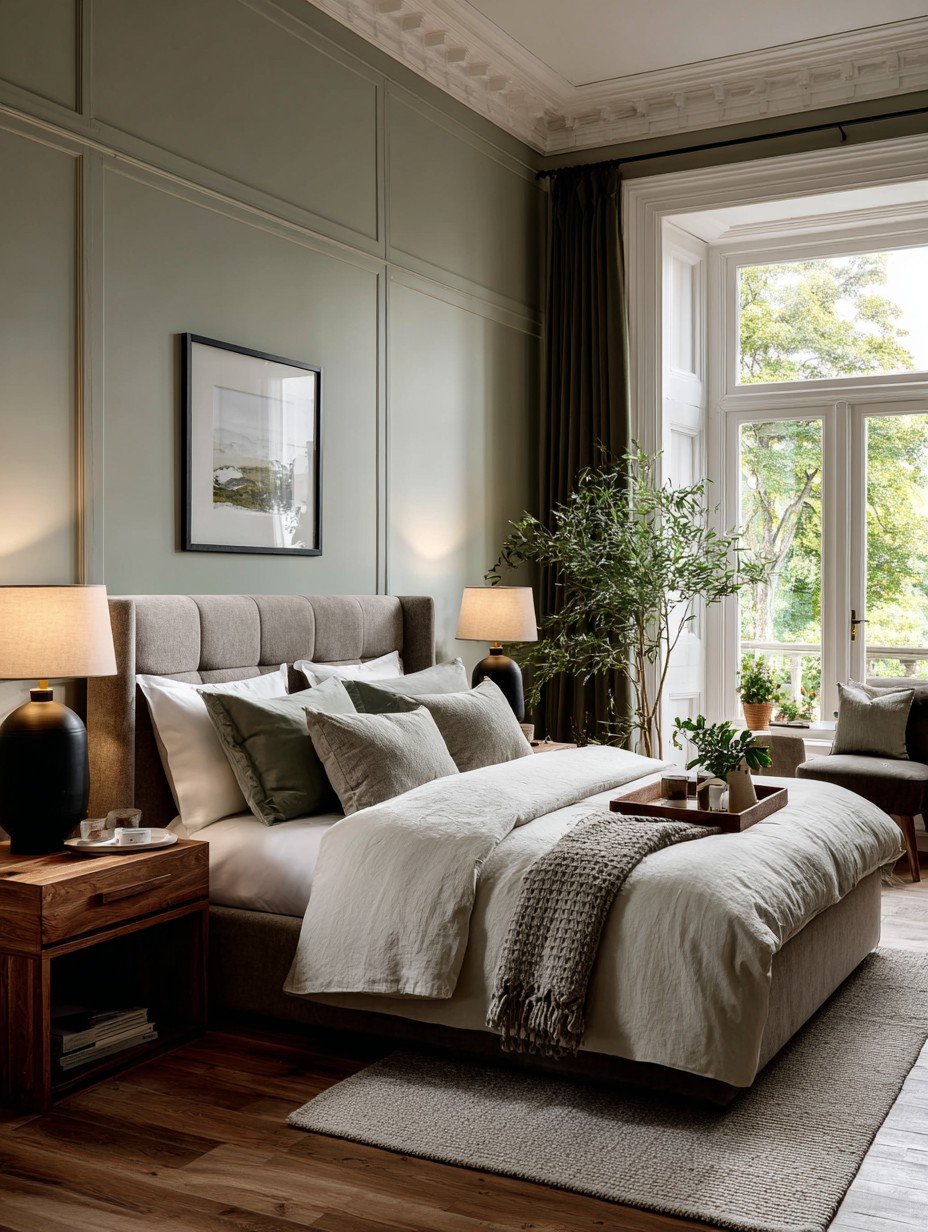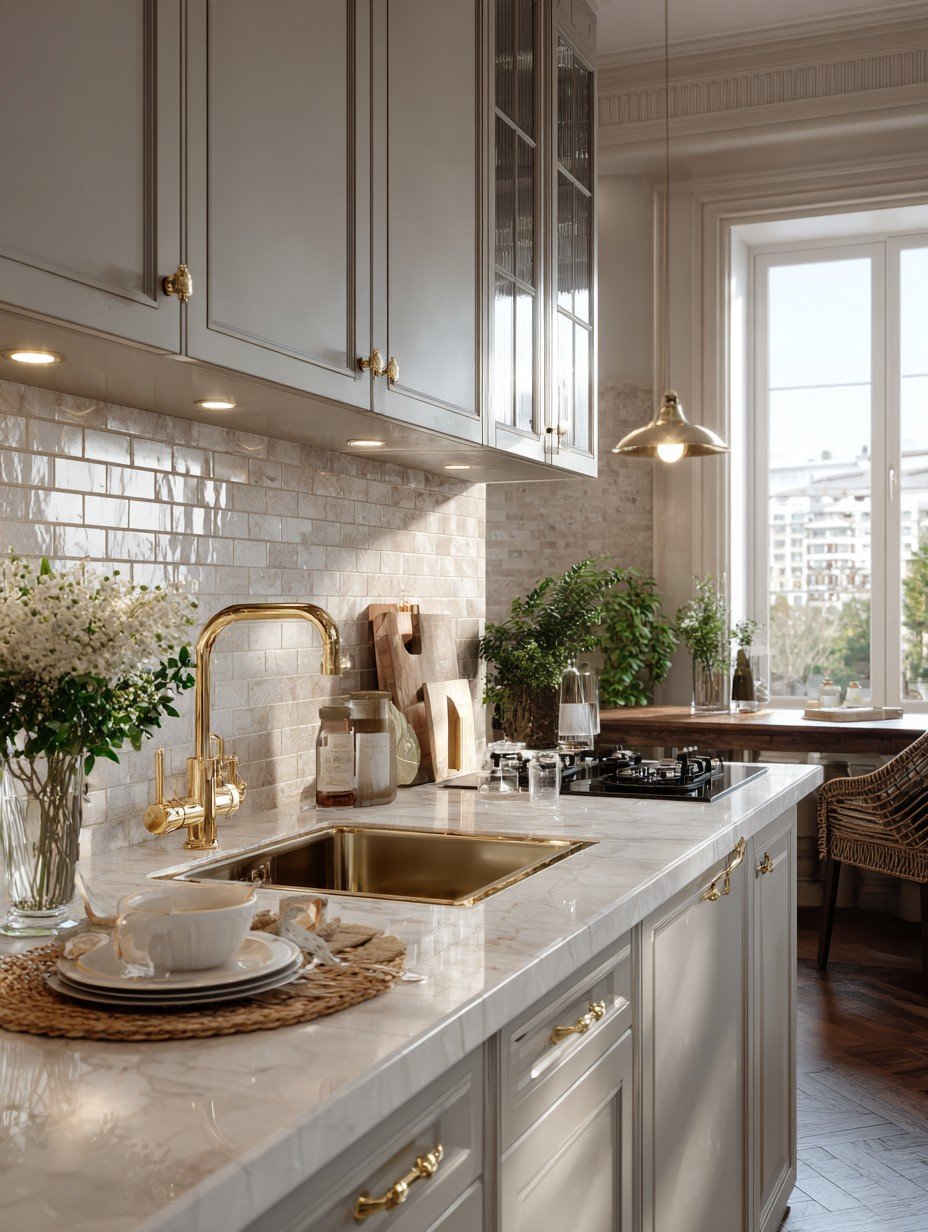

Walk into most homes and you can feel the difference within seconds. Some rooms have gravity: every object seems to belong, and the space tells you something about the person who lives there. Others are full of decorative filler, things bought to occupy a shelf or match a cushion, and they tell you nothing at all. The difference is rarely money. It is intention. A home built slowly from art, objects, vintage finds, books, and meaningful collections carries a weight that no amount of filler can fake. The rule is simple: buy fewer objects, and know why you own every one of them.
Filler is the enemy, not emptiness
The modern home’s biggest problem is not that it has too little in it. It is that it has too much of nothing in particular. The generic vase, the mass-produced print, the decorative bowl that holds nothing: these are objects without a reason, and a room full of them feels oddly empty despite being full. Emptiness, on the other hand, is just potential. A bare wall is a promise. A bare shelf is patience. The discipline is to tolerate the empty spaces while you wait for the right thing, rather than filling them with the almost-right thing. Almost-right is how rooms become forgettable.
Buy art you chose, not art that matches
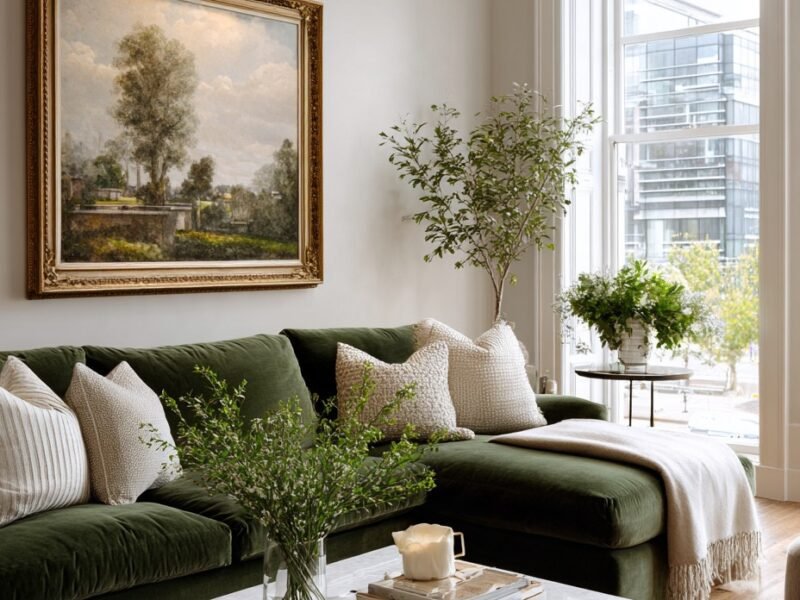
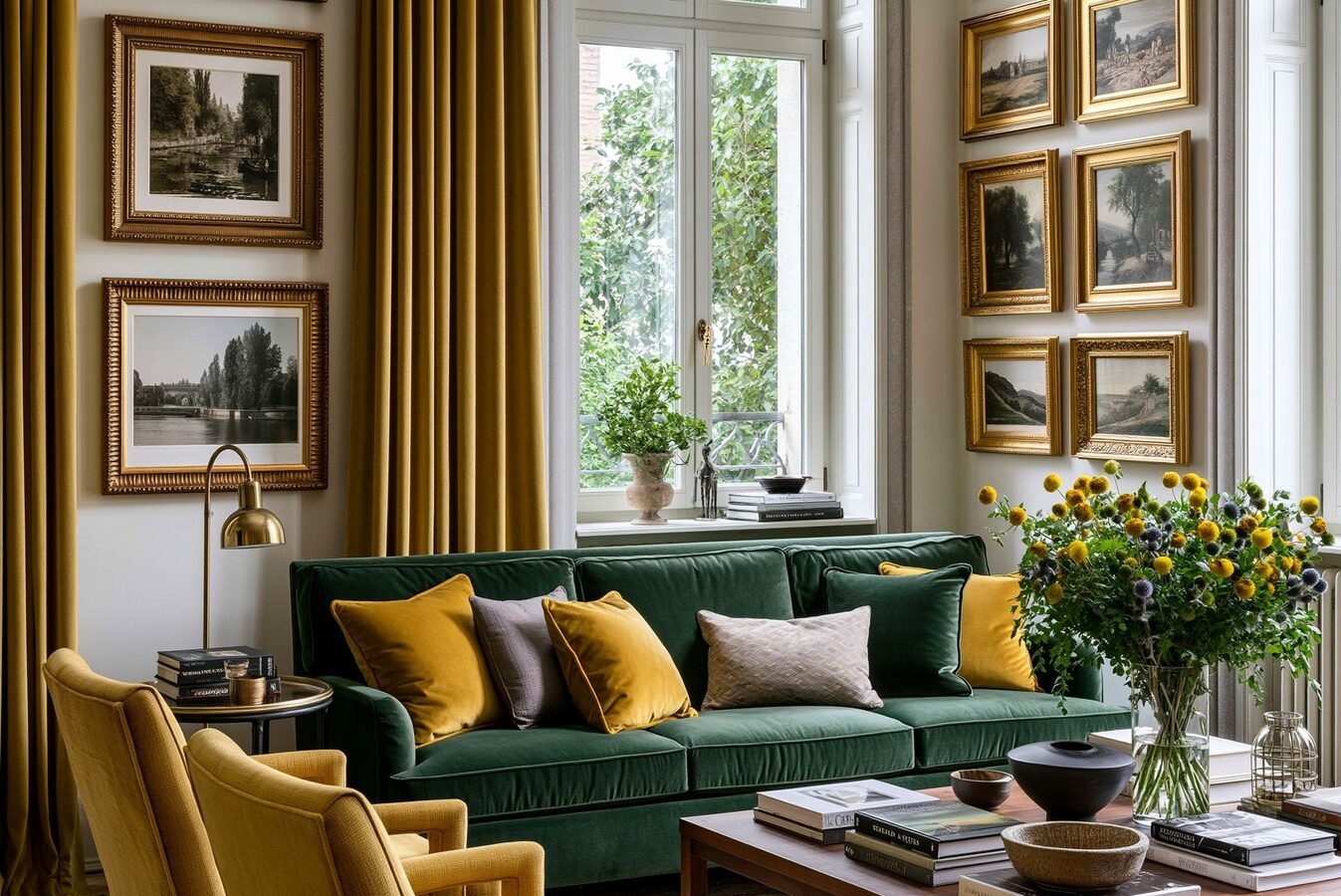
Art bought to match the sofa is decoration. Art bought because it stopped you in your tracks is a possession. This is the single biggest upgrade most homes can make: replace the things chosen for color coordination with things chosen for feeling. It does not need to be expensive. A small original from a local artist, a vintage print found on a trip, a photograph that means something to you: these carry the one quality no mass-produced piece can offer, which is a story. When someone asks about it, you should have something to say. If you do not, it is filler wearing a frame.
Let objects earn their place with stories
The most interesting homes are built like memoirs. The brass object from the flea market in Lisbon. The chair found at an estate sale and reupholstered. The bowl made by a friend. Vintage and secondhand finds have two advantages over new: they were made in eras when things were built to last, and they arrive with character already installed. But the rule applies equally to new things. Before anything crosses your threshold, it should pass a simple test: will you still care about this in ten years, and will you remember where it came from? If the answer is no to both, leave it in the shop.
Books are furniture for the mind
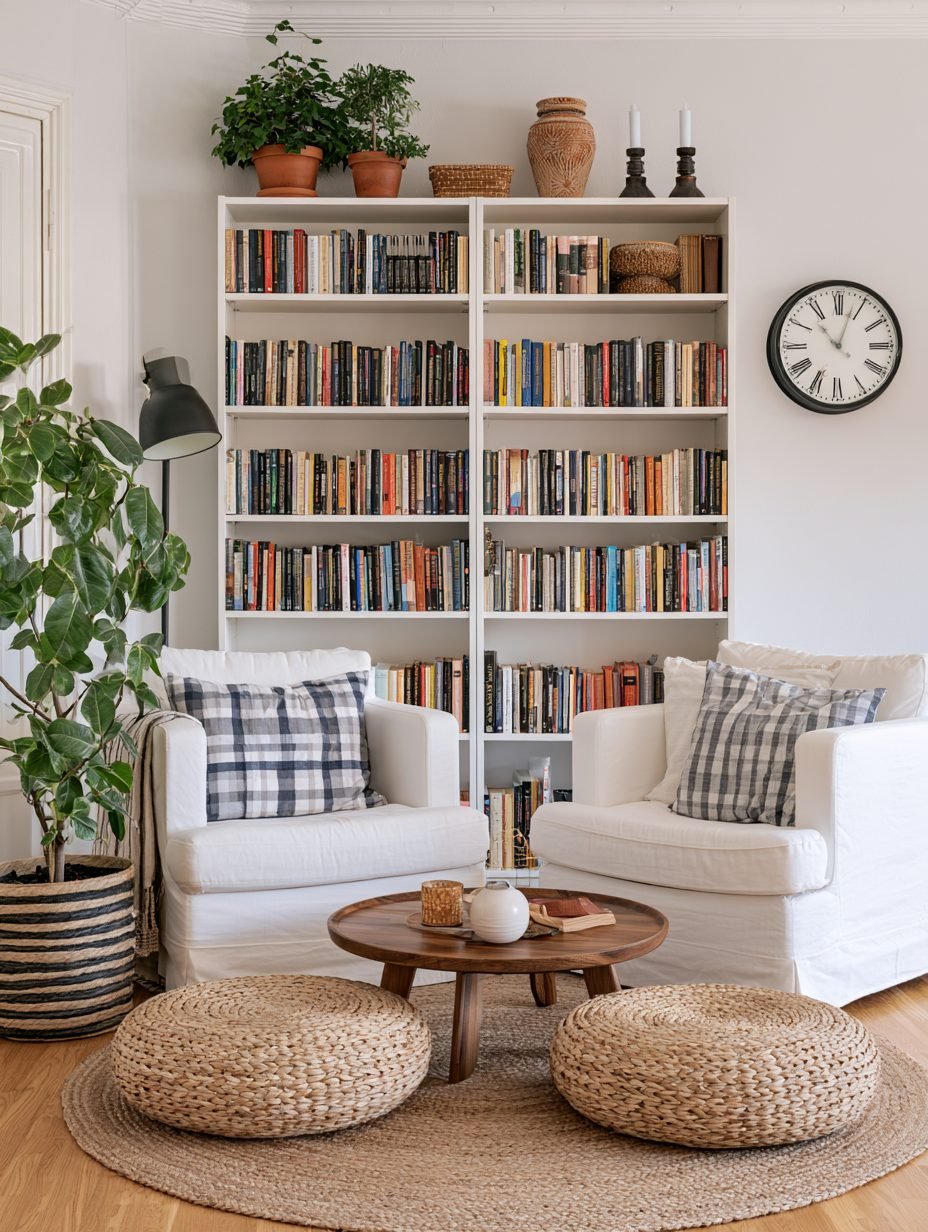
Few things signal a life of depth like books you have actually read. A shelf of real books, worn spines and all, is both decoration and biography: it shows what you have thought about, what you have wrestled with, what you return to. This is the opposite of the staged bookshelf, color-coordinated and untouched. Build the library before you style it. Buy the books that interest you, read them, keep the ones that changed you. A home with books in it feels inhabited in a way that a home without them never quite manages, because books are evidence of an inner life.
Collections, not accumulations
There is a difference between a collection and an accumulation, and it is intention. A collection has boundaries: a theme, a standard, a sense of what belongs and what does not. An accumulation is just things that arrived and never left. The collector’s discipline is the edit. For every piece that enters, something should probably leave, and every piece should make the whole stronger. This applies to art, to objects, to books, to everything. A shelf of twelve things you love is a statement. A shelf of forty things you feel neutral about is storage.
Your home should read like an autobiography
The ultimate test of the fewer-objects philosophy is this: could a stranger walk through your home and learn something true about you? The places you have been, the things you value, the ideas that shaped you, the people you love: a home built with intention reads like an autobiography written in objects. A home built from filler reads like a catalog. Nobody remembers a catalog. Buy slowly, choose deliberately, and let every object earn its place. Your home is the one gallery you live inside. Curate it like it matters, because it does.
If you buy, buy it once
Fewer objects, but the right ones. When you do buy, these are the staples worth owning for decades, not seasons.
Bellroy Slim Sleeve Wallet ($79)
A slim full-grain leather wallet that replaces the bulky bifold and only gets better with age. Shop
Uniqlo Extra Fine Merino Crew Neck Sweater ($39.90)
Soft, breathable merino that layers cleanly and holds its shape season after season. Shop
Vince Fulton Leather Sneaker ($285)
A clean white leather sneaker with a minimal profile that pairs with nearly everything you own. Shop
Seiko Presage Automatic SRPB41 ($450)
An automatic movement and a timeless blue dial. A watch you service, not replace. Shop
Bonobos Japanese Stretch Selvedge Jeans ($229)
Selvedge denim with a touch of stretch that fades to your life and wears in beautifully. Shop
We earn commission on purchases made through our links.
Start tonight: walk through your home and find three things you cannot explain. Not the ugly things, not the broken things, the unexplainable ones, the things with no story and no reason. Those are the filler. Let them go, and leave the space empty until the right thing finds you. Your home will feel lighter immediately, and richer every year after.